
News
Photo by Betty Magadi.
Featured
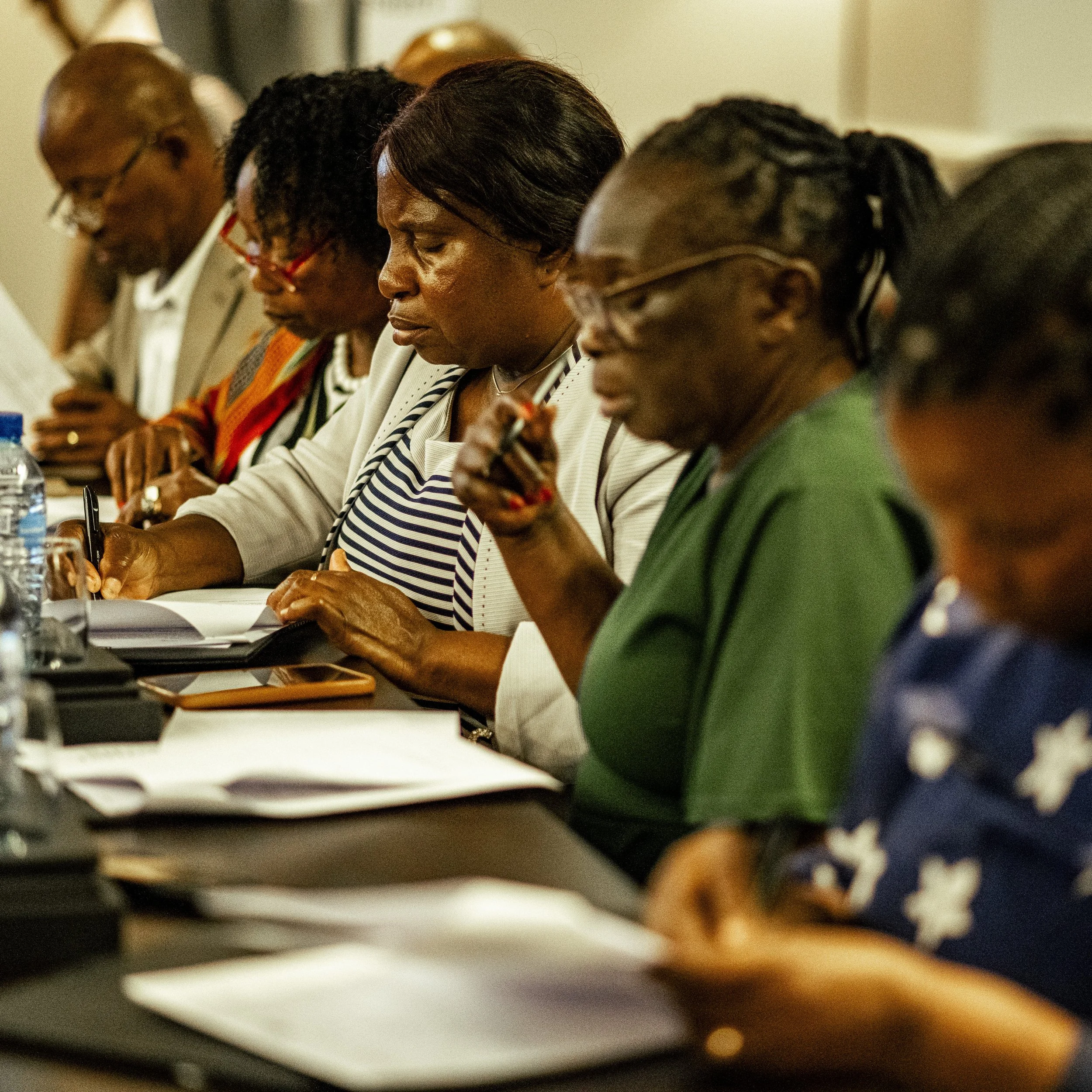
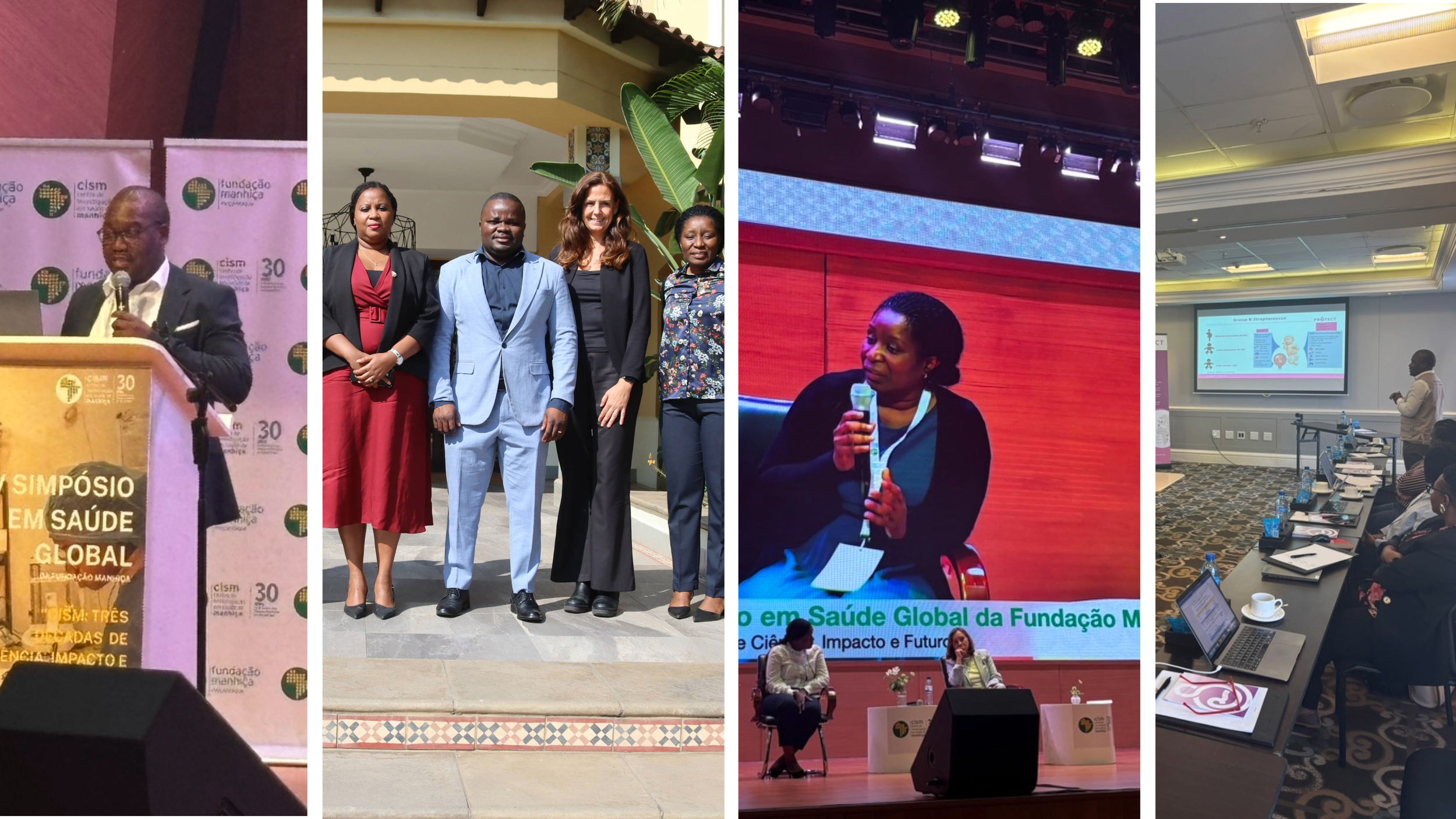
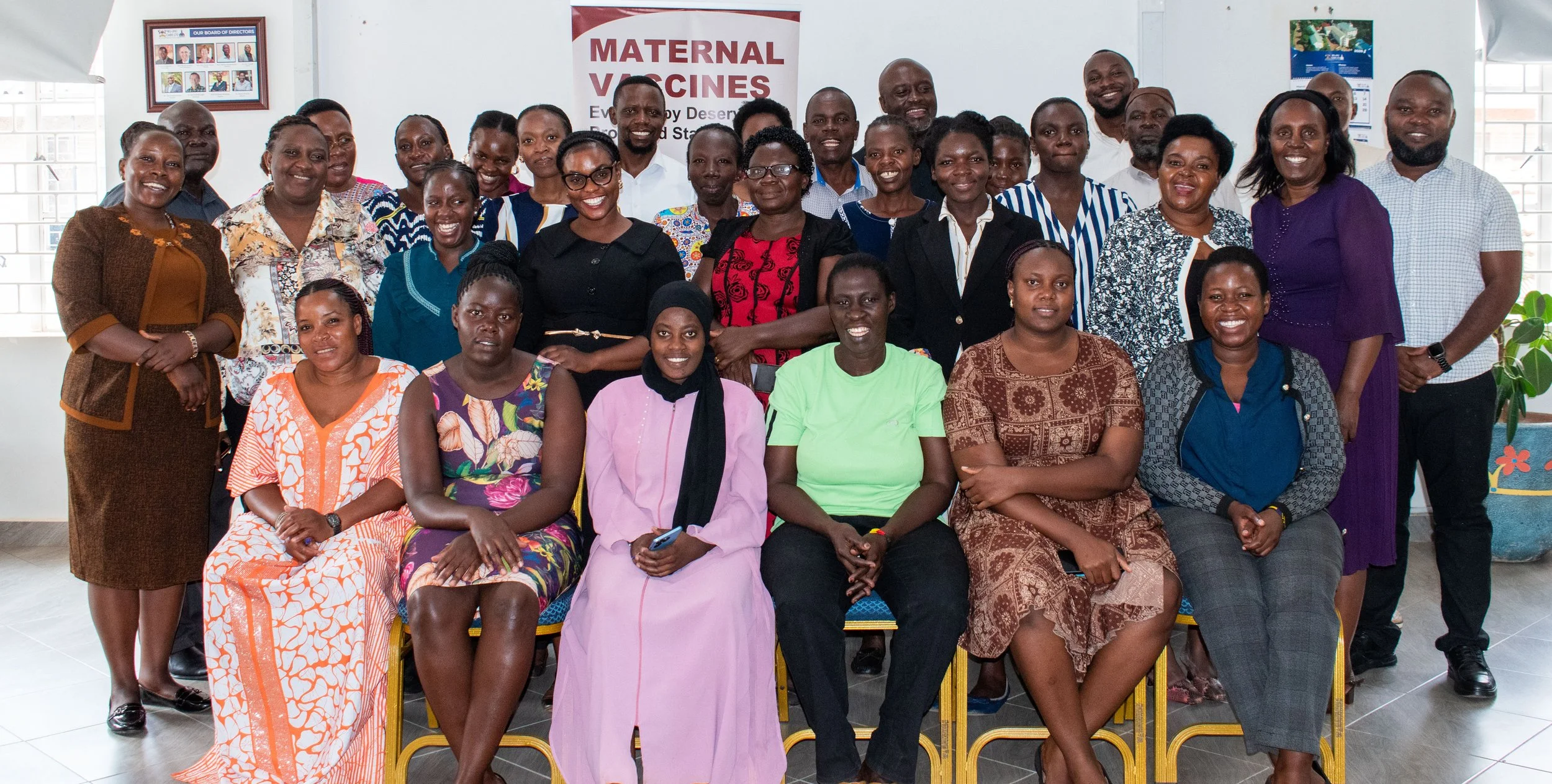
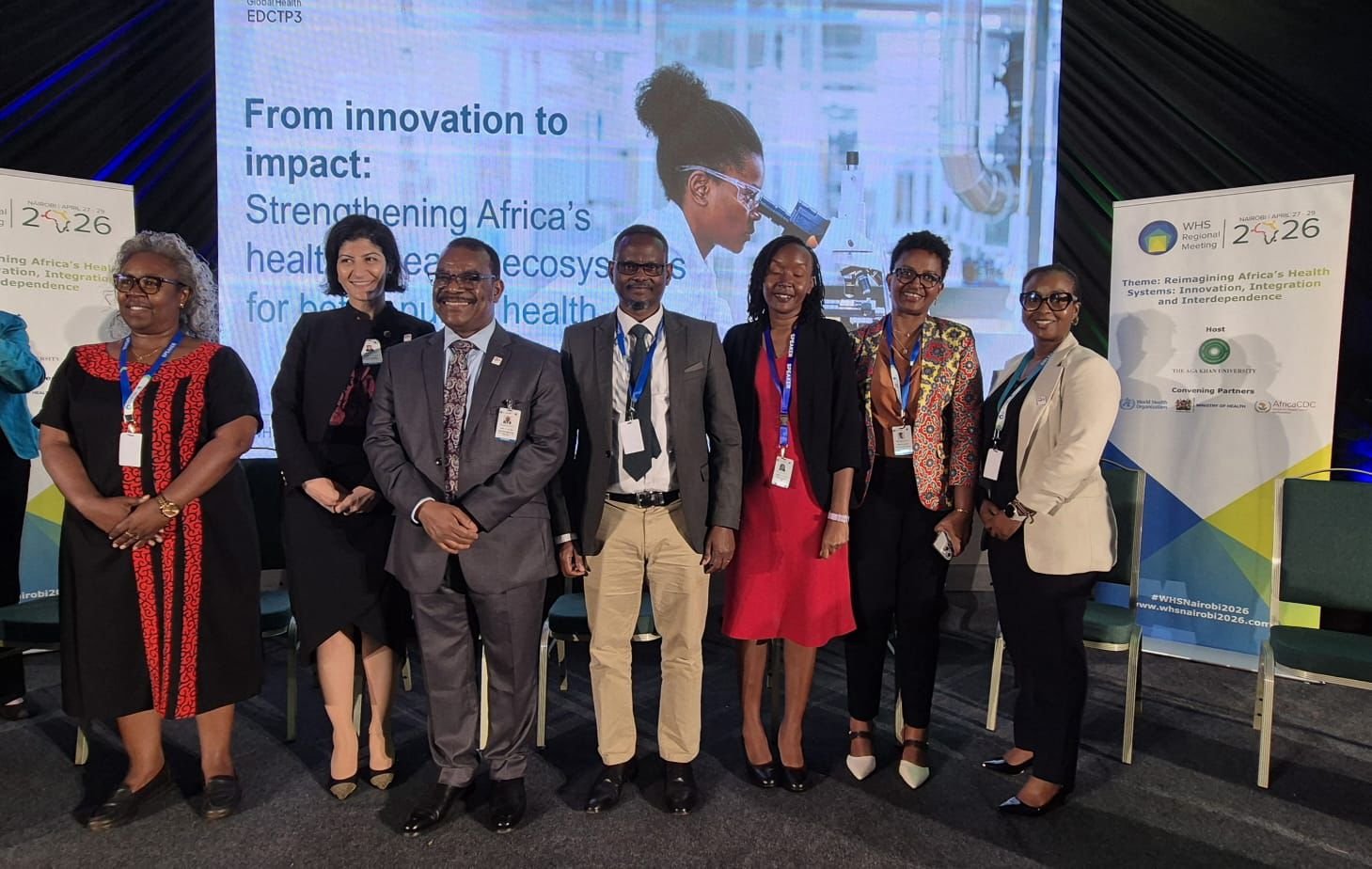
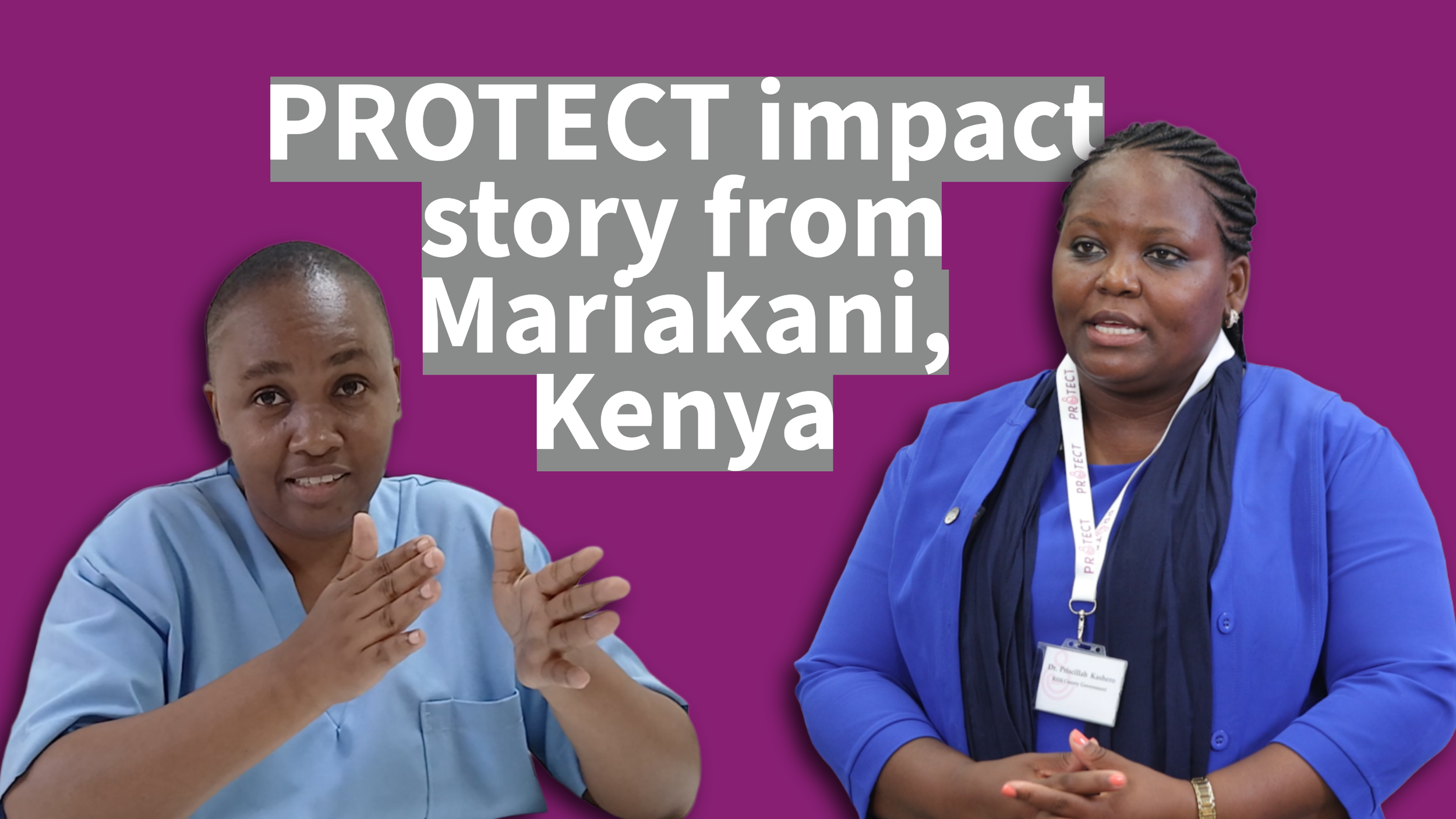
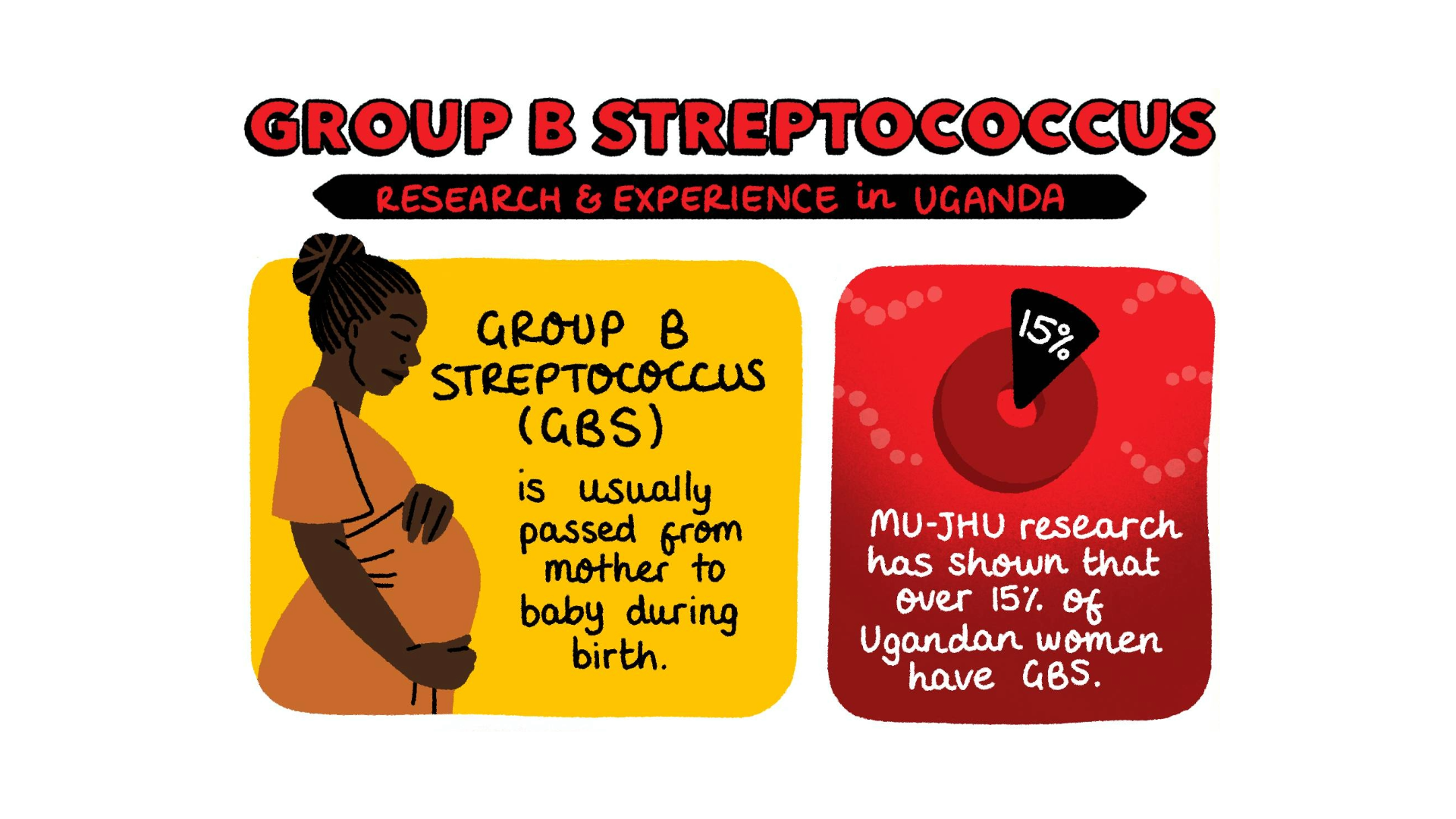
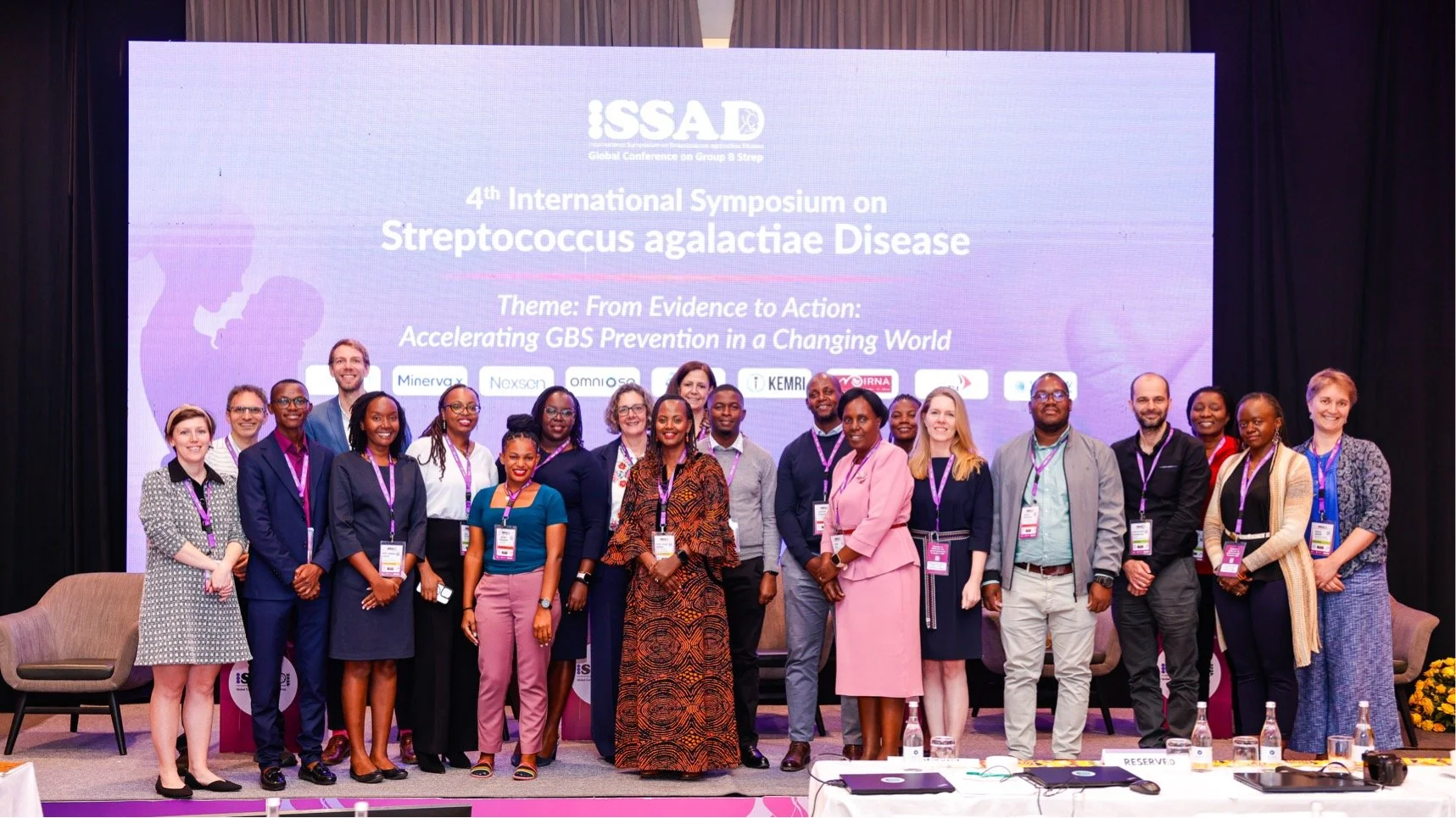
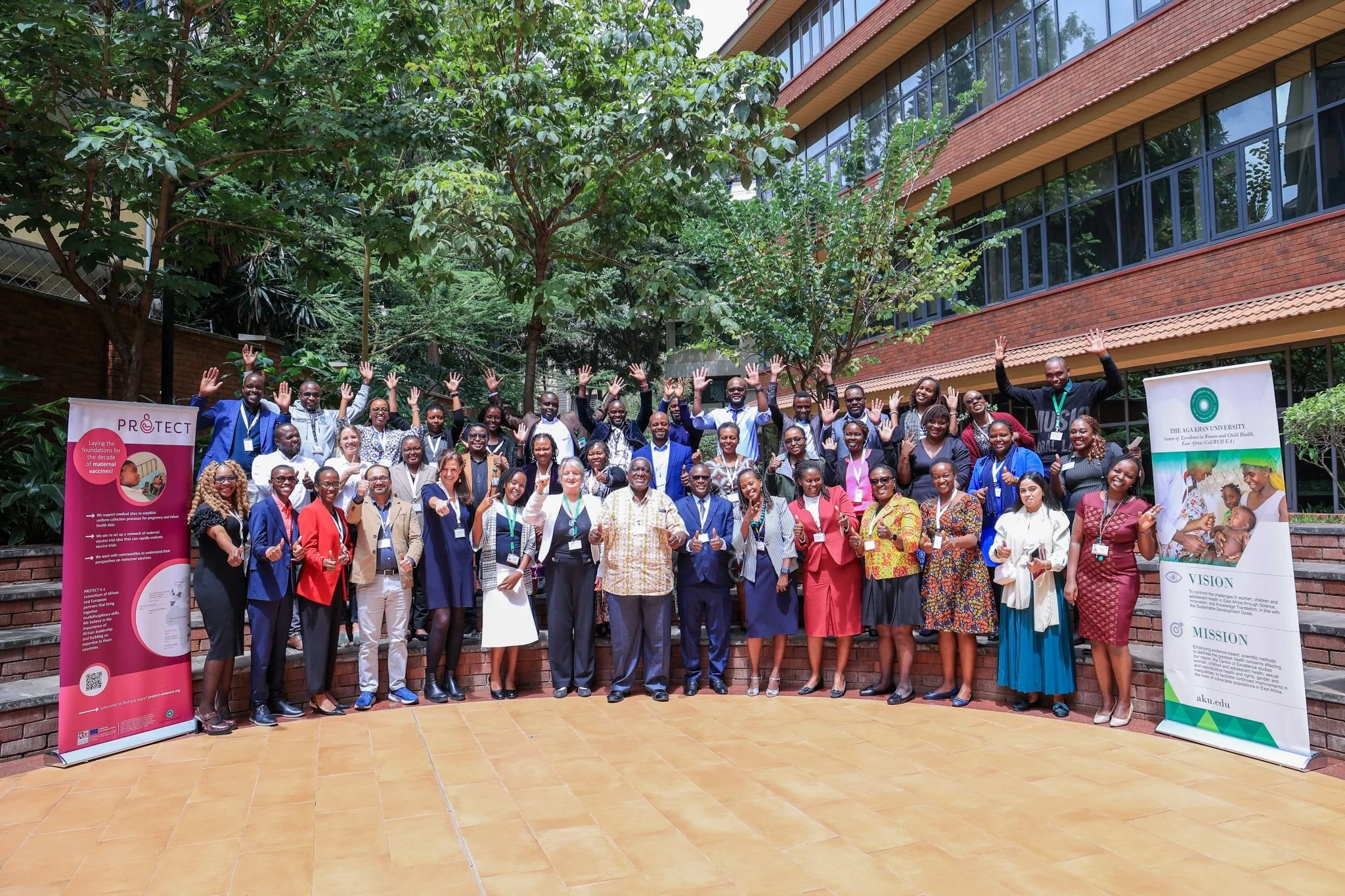
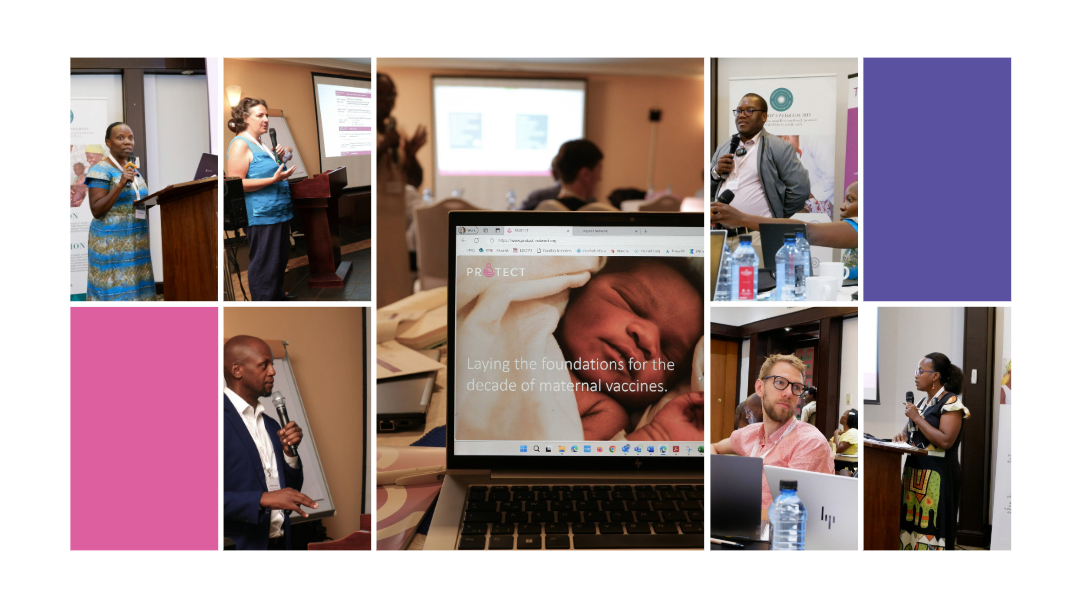
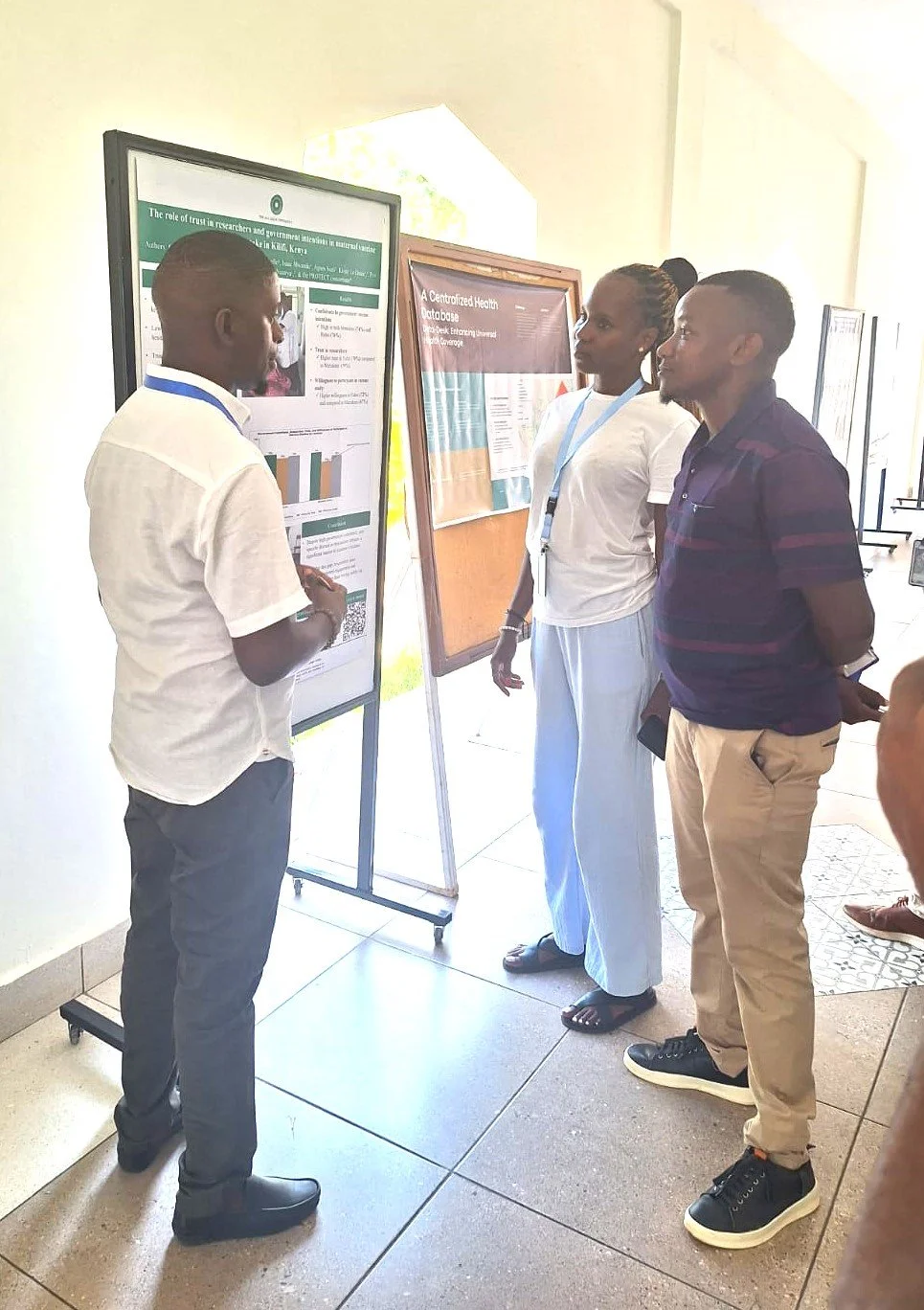
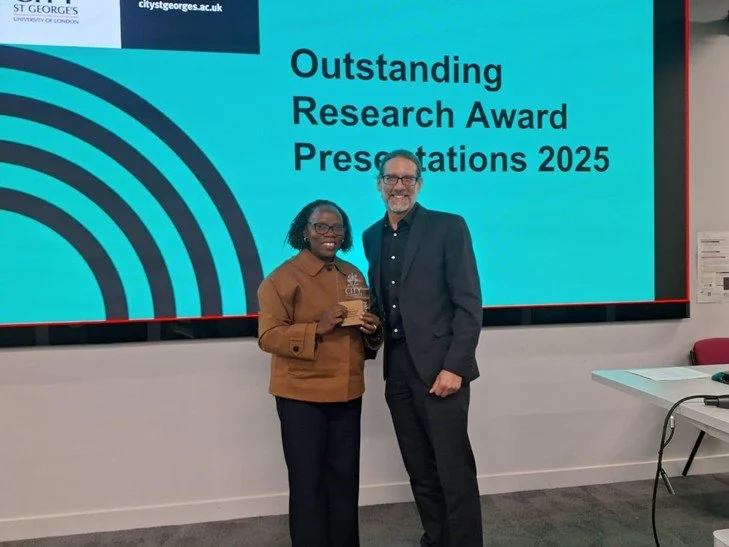
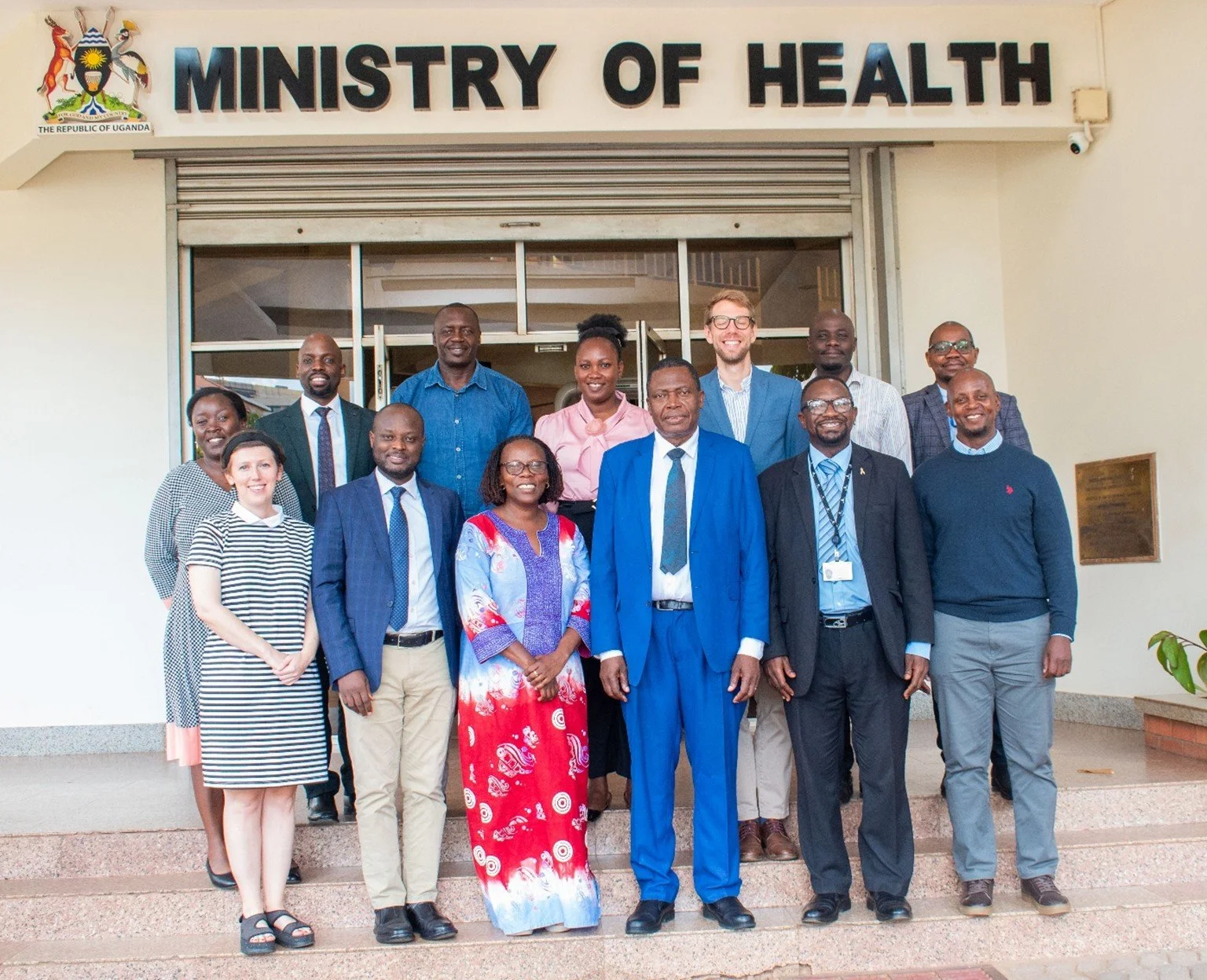
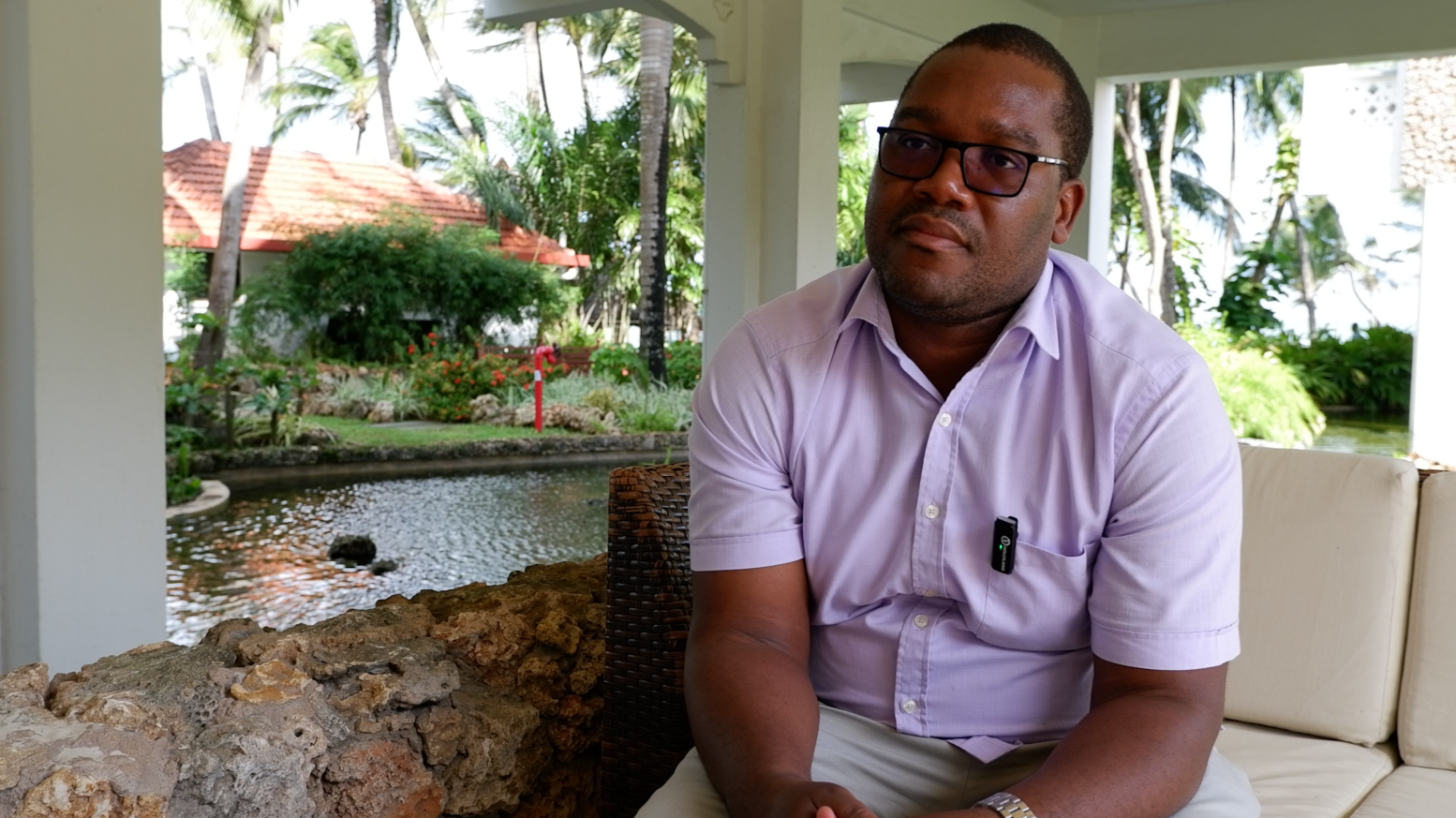


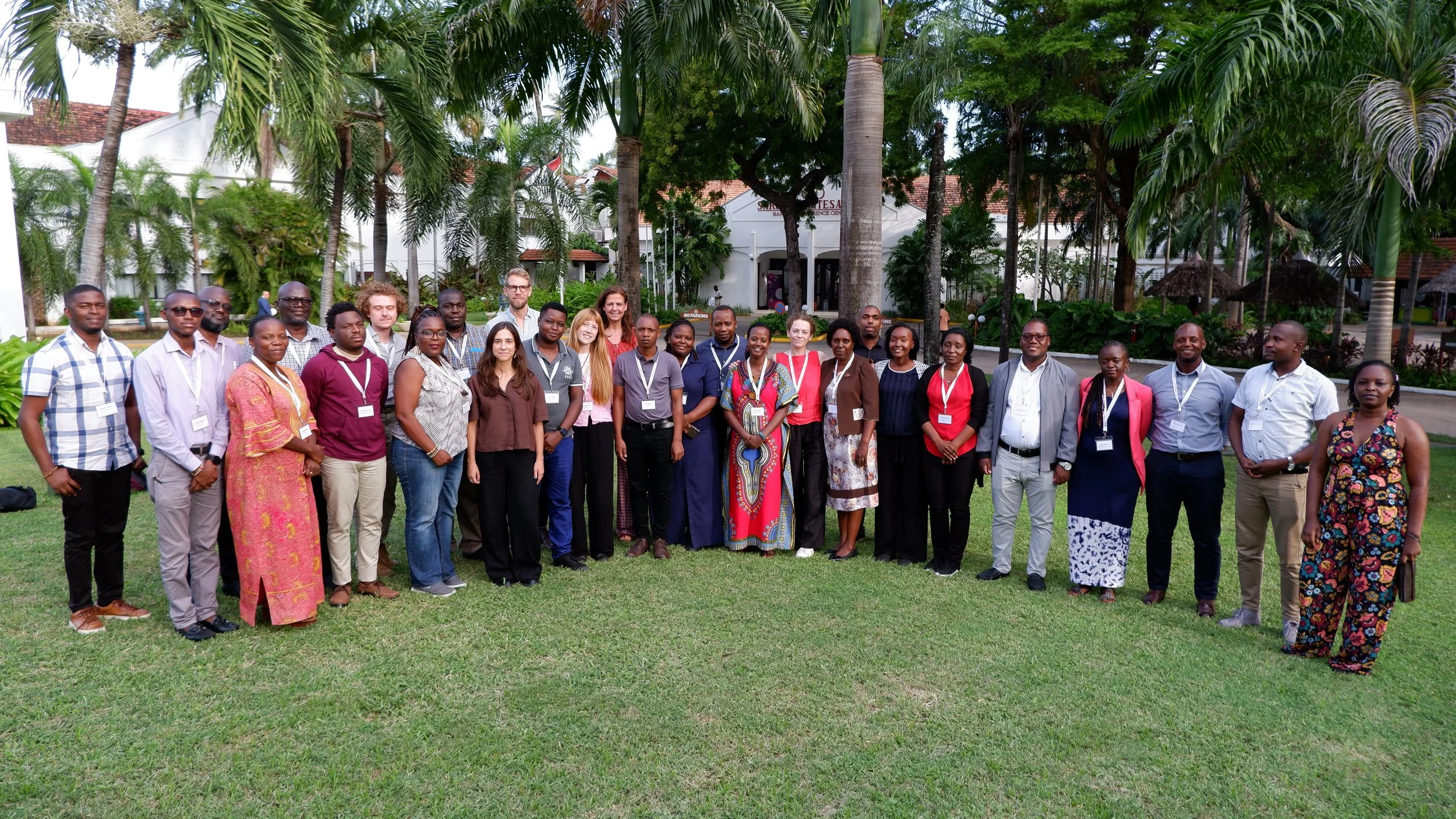


Photo by Betty Magadi.
Following the inaugural workshop in Uganda, PROTECT teams in Kenya, Malawi and Mozambique recently held successful co-creation events. During the workshops, different stakeholders – including pregnant women – actively shaped future vaccination-related communication materials.
In July 2026, PROTECT partners Manhiça Health Research Center (CISM) and Barcelona Institute for Global Health (ISGlobal) shared project results at a meeting with the Mozambique Ministry of Health and at the Global Health Symposium.
On 24-25 June 2026, a participatory event took place on MU-JHU’s premises in Kampala, bringing together pregnant women, health workers, policymakers, and community influencers. The aim was to co-create educational toolkits about maternal vaccines and vaccine trials.
On 28 April, PROTECT participated in a high-level session at the World Health Summit Regional Meeting in Nairobi, titled 'From innovation to impact: Strengthening Africa’s health research ecosystems for better public health'.
Learn about the effects PROTECT has had on the work in the Mariakani hospital in Kenya, how the hospital's capacity to care for newborns has changed, and which of these benefits will persist beyond the project.
MU-JHU, a PROTECT partner in Uganda, organised a short film viewing and focus group discussion with pregnant women on the topic of GBS infections and potential long-term effects on children’s development. The aim was to inform participants about the bacterium and to learn from them about their understanding of the illness it causes and their attitudes towards potential vaccination.
Between 22 and 24 February, the International Symposium on ‘Streptococcus agalactiae’ Disease took place in Nairobi, Kenya. PROTECT partners were strongly represented and contributed to the event with insights from all key aspects of PROTECT’s research: pregnancy registry development, GBS disease surveillance, and vaccine confidence and maternal vaccine trial participation.
On 26 February, Aga Khan University, a PROTECT partner, hosted a stakeholder engagement event in Nairobi, convening leaders in maternal health to strengthen collaboration and define actionable next steps for maternal vaccine policies and practices in Kenya.
This year’s International Symposium on ‘Streptococcus agalactiae’ Disease (ISSAD) is an exciting opportunity for all GBS researchers to share their recent work and connect with leaders in GBS research, vaccine development, and public health. PROTECT partners and collaborators are at the heart of this community and will contribute throughout the event, from chairing sessions to speaking at plenaries and presenting posters.
On 9 – 10 December 2025, the 3rd Kilifi County Scientific Symposium took place, bringing together public health researchers, practitioners, and decision-makers. Onesmus Wanje presented a PROTECT poster on the role of trust in maternal vaccine uptake.
Dr Eve Nakabembe, PROTECT Scientific Lead, received an Outstanding Research Award at City St George’s University’s Research Days. In her presentation, she highlighted her ongoing work on maternal vaccination, including research conducted as part of PROTECT.
On 26 November 2025 the MU-JHU team met with the leadership of the Ministry of Health of Uganda to update them on ongoing work across all PROTECT work packages and to discuss strategies for strengthening Uganda’s readiness for future maternal vaccine introduction.
For World Antimicrobial Resistance Awareness Week 2025, we spoke with Dr Sergio Massora, the researcher leading PROTECT’s work on Group B Streptococcus (GBS) surveillance. In our video interview, he reflects on how the issue of growing antimicrobial resistance (AMR) can be addressed and how PROTECT is contributing to these efforts.
On 11 – 12 September, members of the IMPRINT network gathered in Muldersdrift, South Africa. Several PROTECT researchers are part of the IMPRINT network and joined the community in sharing the milestones in the recent maternal and neonatal vaccines research.
Globally, only a fraction of clinical trials are conducted in Africa. The reasons for this are varied and include limited funding, inadequate research infrastructure, and a lack of trained personnel. PROTECT aims to tackle these barriers and demonstrate how low- and middle-income countries can set up electronic health records, collect quality data, and eventually take part in clinical trials.
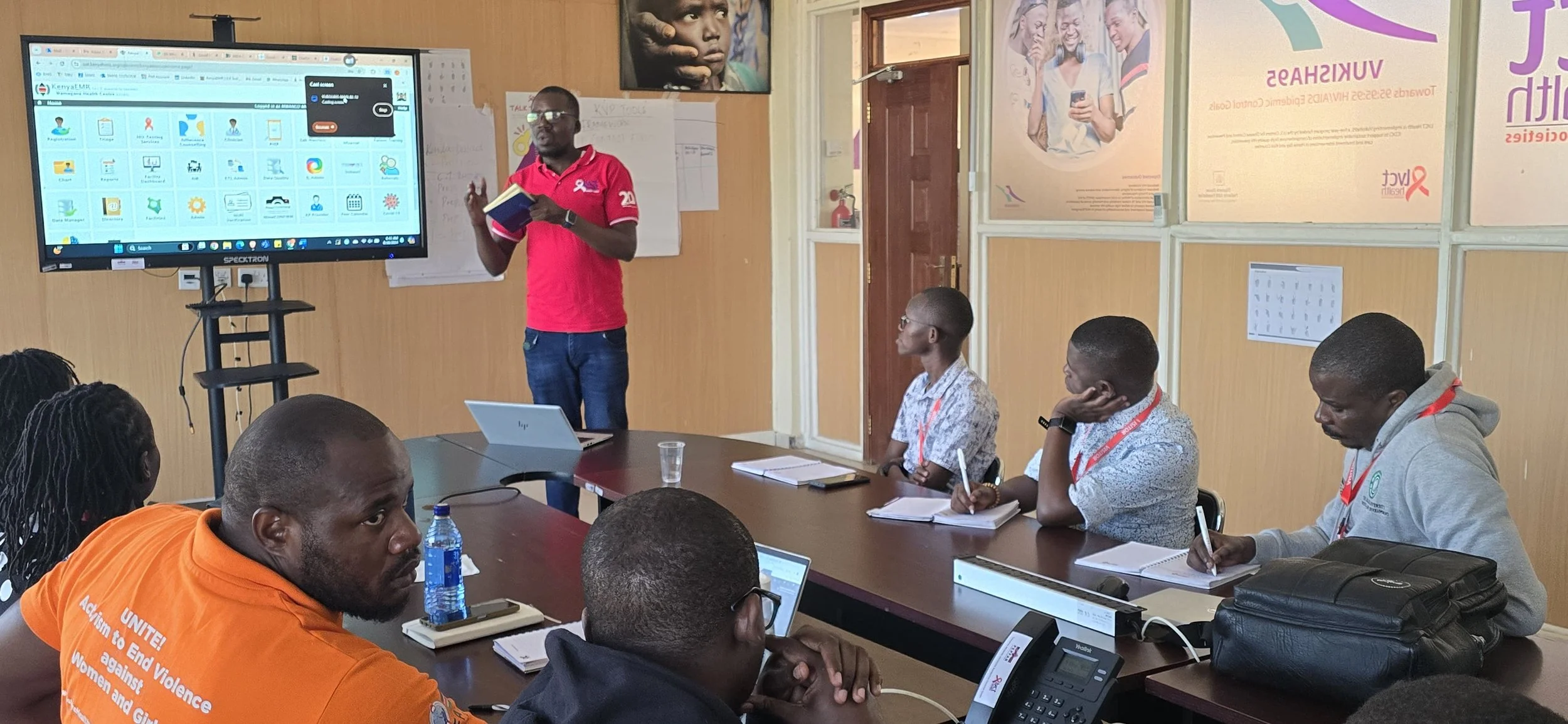
PROTECT partners are supporting medical sites in Kenya, Malawi, Mozambique, and Uganda to collect data on GBS disease. Before the start of the sample collection, Dr Sergio Massora from Fundação Manhiça visited partners in other countries to hold training sessions and inspect the sites.
Between 11 and 13 June 2025, members of the PROTECT network gathered in Mombasa, Kenya, for their second annual meeting. With data collection underway in all four participating African countries, the meeting was marked by lively discussions on best practices, progress reports, and planning for upcoming data analysis and dissemination.
Recent research by PROTECT partners investigated existing literature on maternal vaccine and vaccine trial confidence and found no studies on pregnant women’s willingness to participate in vaccine trials in sub-Saharan Africa. Two of the authors – Lisa Paranthoen and Dr Violet Naanyu – explain how PROTECT aims to fill these research gaps.
On International Women’s Day 2025, the PROTECT consortium emphasises the importance of ongoing efforts to ensure access to safe and effective maternal vaccines for all who need them.
PROTECT, a consortium aiming to improve maternal and child health in Africa, has been active for close to a year now, and partners have been busy with preparatory activities and meetings with key stakeholders.
On 10-12 June, the PROTECT consortium met in Entebbe, Uganda, to kick off their collaboration. During this time, partners got to know each other better, while the different work packages progressed some of the ongoing joint work and solidified plans for upcoming activities.