PROTECT team in Uganda emphasise the importance of maternal immunisation in a meeting with the Ministry of Health
On 26 November 2025, representatives from MU-JHU, a PROTECT partner in Uganda, met with the leadership of the Ministry of Health of Uganda to update them on ongoing work across all PROTECT work packages and to discuss strategies for strengthening Uganda’s readiness for future maternal vaccine introduction.
Dr Eve Nakabembe, PROTECT scientific lead, gave an overview of the global and national importance of maternal immunisation in reducing neonatal morbidity and mortality, followed by updates on Group B Streptococcus disease burden and surveillance work, community engagement, and pharmacovigilance. Other areas of maternal and infant vaccine research were also presented.
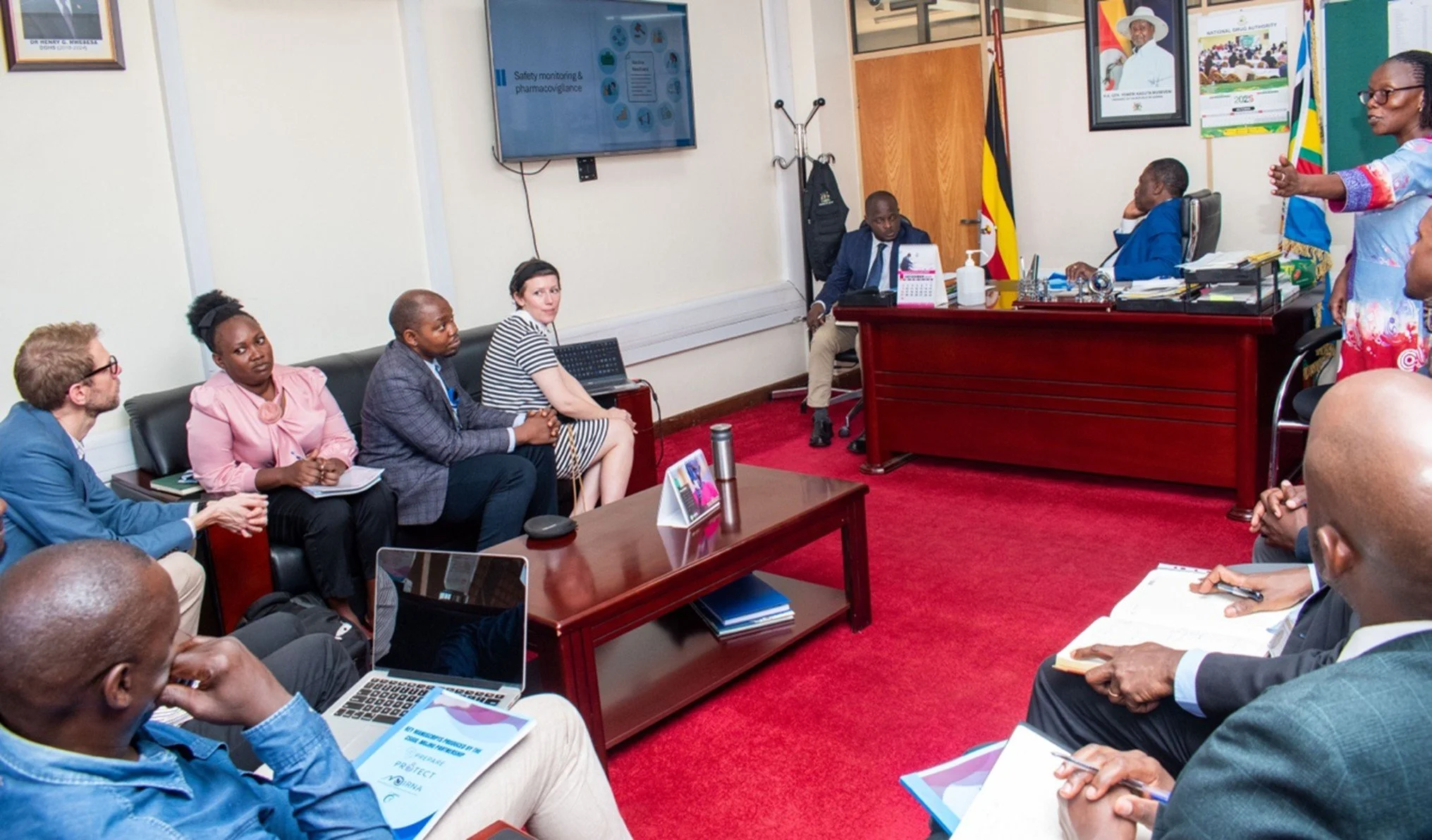
Dr Eve Nakabembe presenting PROTECT work at the Ministry of Health of Uganda.
During the discussion, the ministry representatives expressed strong appreciation for the evidence presented and emphasised the continuing challenge of neonatal mortality. They underscored the need to strengthen national surveillance, improve data sharing, and enhance long-term vaccine safety monitoring, while noting the workload implications for frontline staff as digital systems expand.
The meeting participants, including ministry representatives and members of the Uganda National Immunisation Technical Advisory Group (UNITAG), affirmed Uganda’s potential to become a regional leader in pharmacovigilance and proposed establishing a cross-departmental steering committee to coordinate maternal vaccine-readiness efforts. The ministry also welcomed opportunities to review the project’s communication materials, explore integration of electronic medical records (EMR) systems, and receive regular updates to support and inform UNITAG’s technical positions and ministry policy processes.
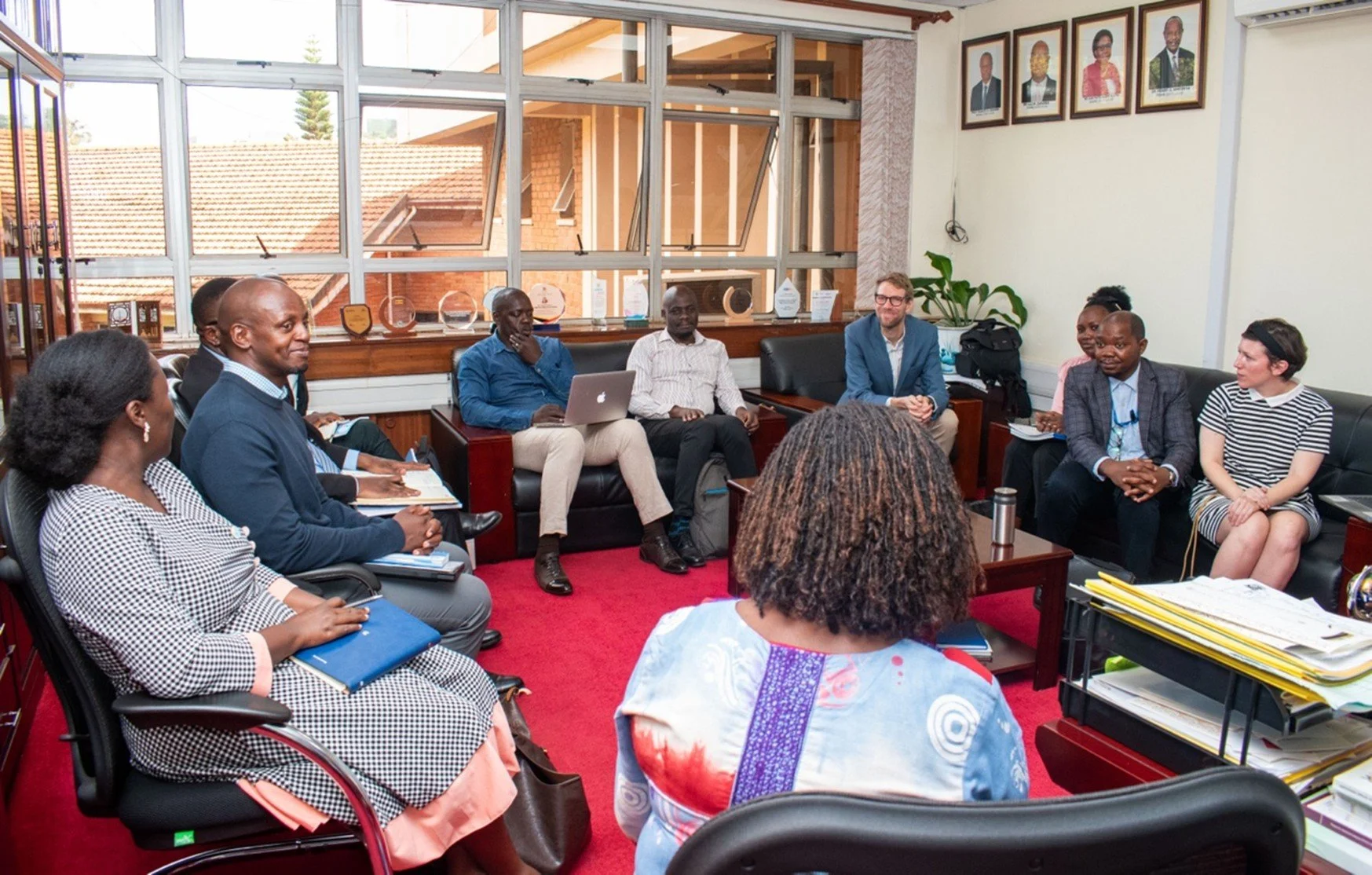
Technical discussions held at the Ministry of Health of Uganda headquarters between the Uganda PROTECT team and ministry leaders.
Representatives of Kawempe National Referral Hospital, where the PROTECT study is being carried out, informed the ministry that they were fully supportive and actively involved in the ongoing work. However, they cautioned that the proposed changes and customisations to the EMR shouldn’t create additional non-essential work for frontline health care workers who are already overwhelmed by the large numbers in the hospital. Dr Nakabembe clarified that accurately capturing the proposed adverse maternal and neonatal outcomes will improve the quality of care for mothers and newborns, even beyond the scope of pharmacovigilance. This proposal was well received and appreciated, especially by the commissioner of reproductive health and maternal health technical advisory team, which is leading work on quality-of-care improvement in maternal and newborn health.
The meeting concluded with a shared commitment to continued collaboration to advance maternal vaccine readiness in Uganda, specifically to provide additional support for pharmacovigilance and pregnancy exposure registers.
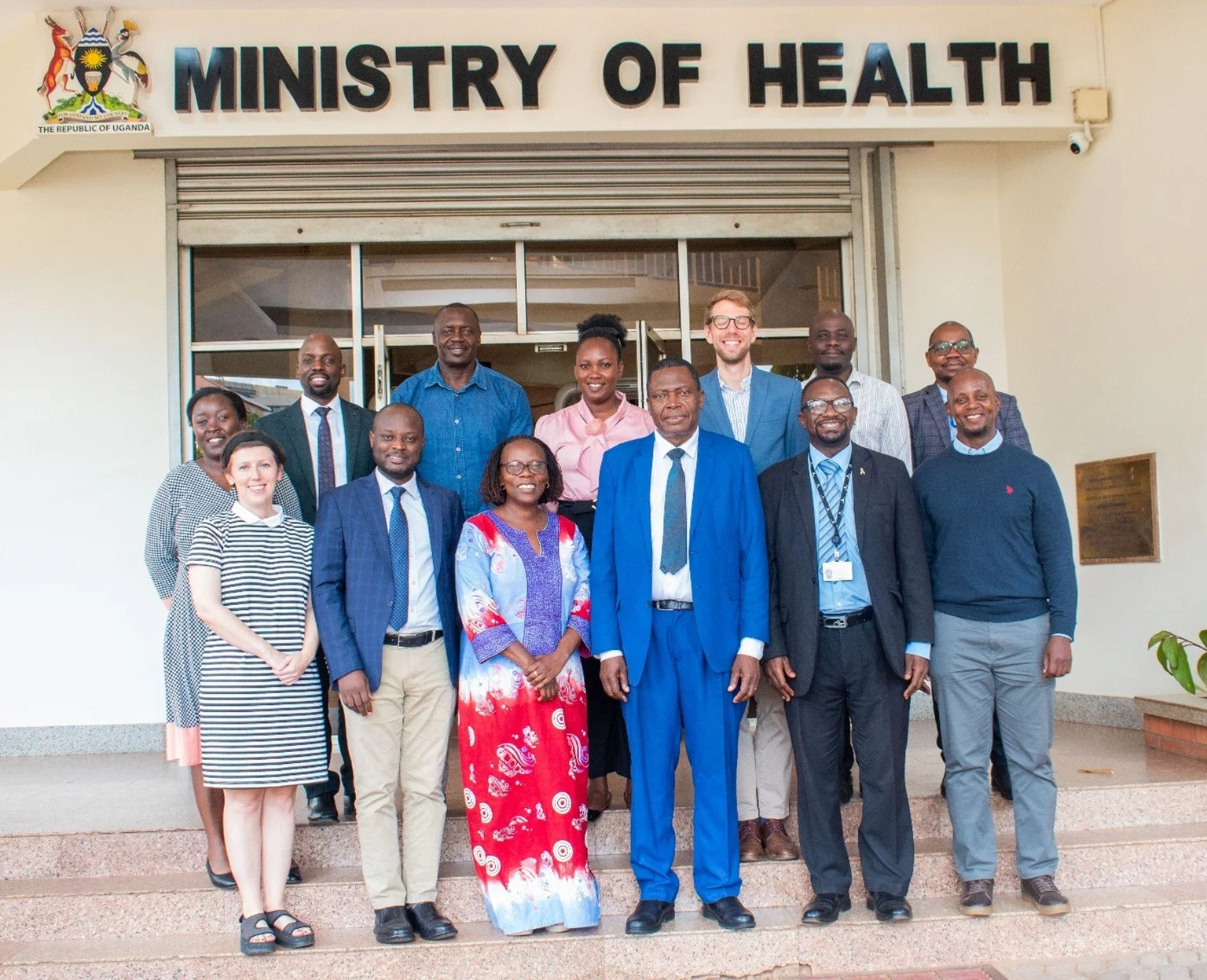
Meeting participants, including Dr Olaro, Uganda’s Director General of Health Services at the Ministry of Health, Dr Munube, Deputy Chair of UNITAG, Dr Muhagi, Commissioner for Reproductive Health, and technical leads of the Ministry of Health EMR systems, and the PROTECT Uganda team, outside the ministry headquarters after the meeting in Kampala.