ISSAD 2026: PROTECT partners contribute to maternal vaccine research agenda in Africa
Between 22 and 24 February, the International Symposium on ‘Streptococcus agalactiae’ Disease (ISSAD) took place in Nairobi, Kenya. As an event dedicated to research and discussion on Group B Streptococcus (GBS), it offered the PROTECT partners a unique opportunity to present their work on strengthening a network of hospitals to monitor vaccine safety for current and future vaccines, including GBS.
All key aspects of PROTECT’s research building towards this goal – pregnancy registry development, GBS disease surveillance, and vaccine confidence and maternal vaccine trial participation – were featured during the event.
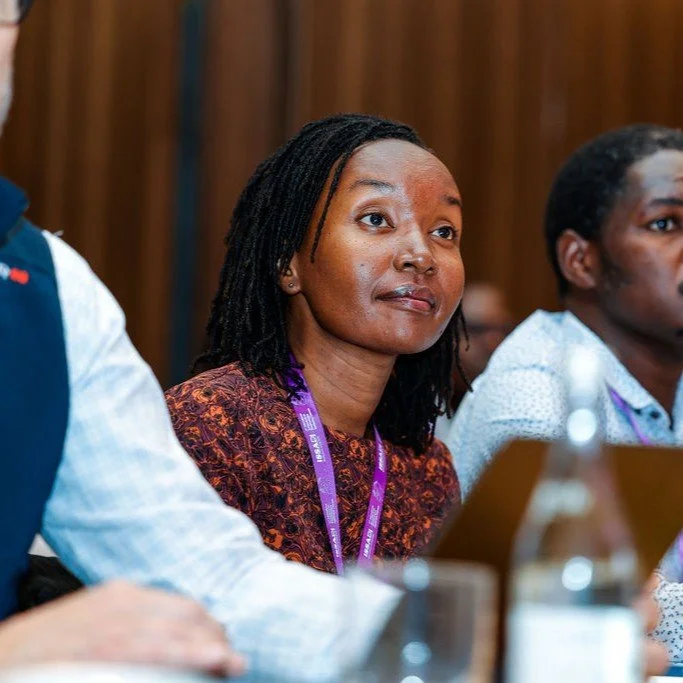


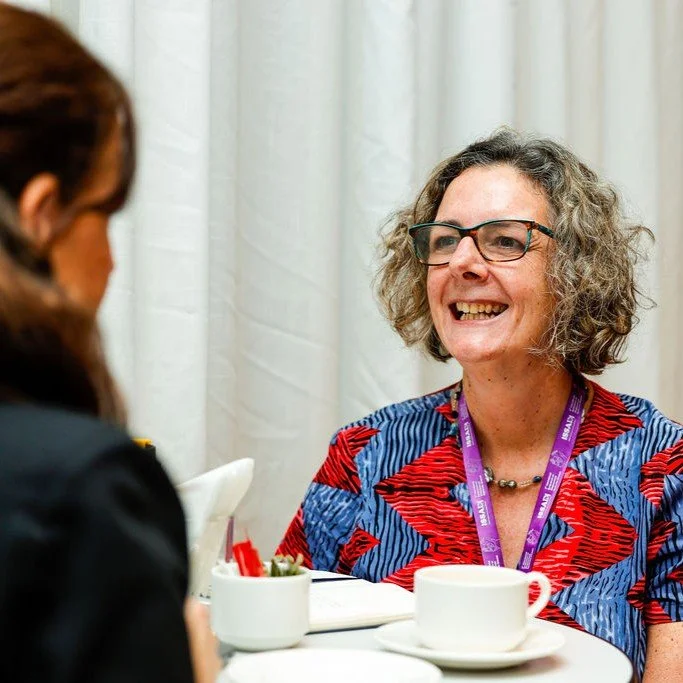
Setting up sustainable systems for data collection
The lack of capacity for high-quality data collection too often results in the exclusion of low- and middle-income countries from clinical trials. Closing the resulting information gap and addressing health inequalities are some of PROTECT researchers’ core motivations. In Kenya, Malawi, Mozambique, and Uganda, project partners are supporting hospitals in establishing pregnancy registries to collect data on pregnancies, deliveries, and infant follow-up, eventually allowing them to participate in clinical trials.
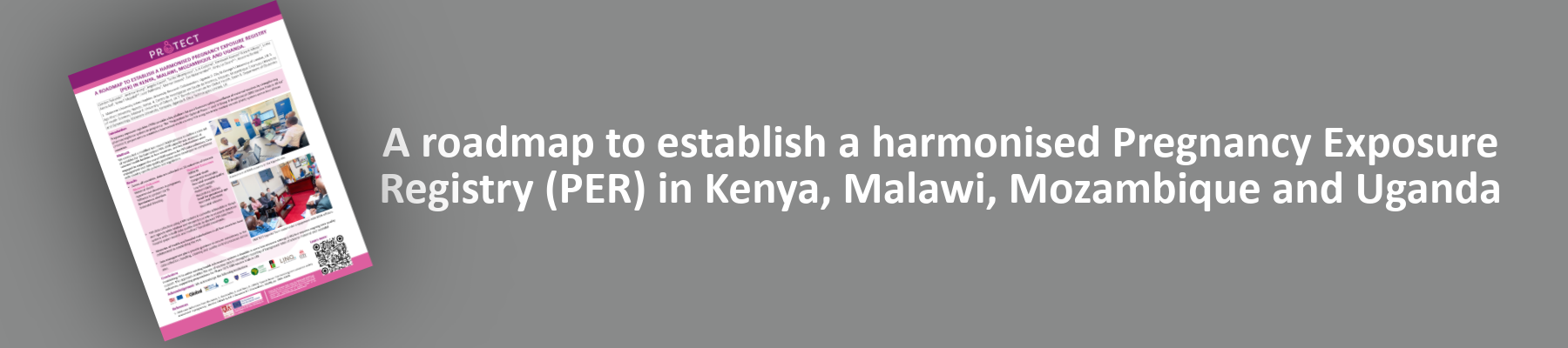
Gordon Rukundo (MU-JHU) presented this work in a poster at ISSAD, mapping out the steps PROTECT is taking to build a harmonised registry – a key platform for vaccine safety surveillance - in the four countries. Based on their research to date, the poster authors conclude that establishing pregnancy exposure registries within existing health systems is feasible in some low-resource settings but requires ongoing support for data quality.
Read the poster by clicking on the image below.
Assessing the GBS burden
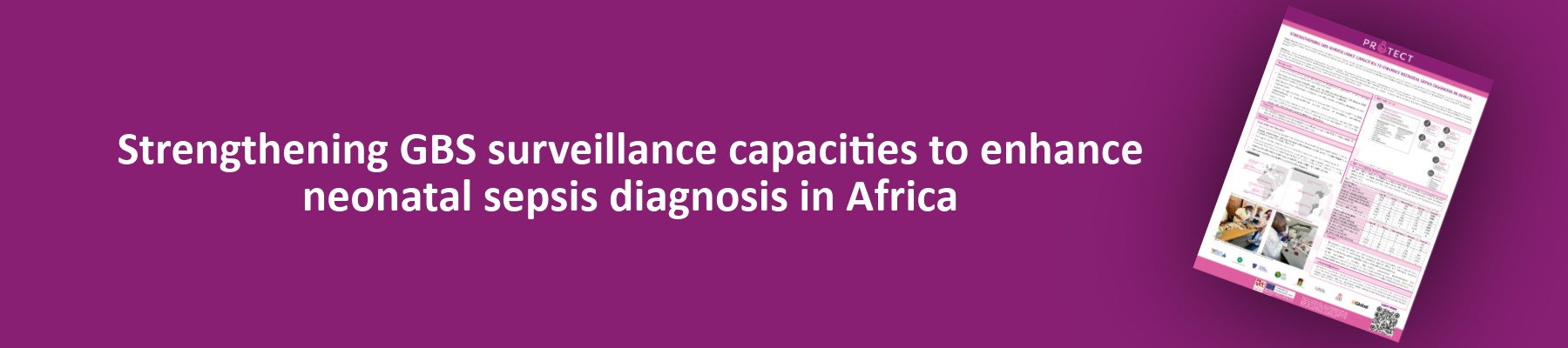
Through pregnancy registries, researchers can continuously collect data and strengthen surveillance of bacterial diseases, including GBS. At ISSAD, Sergio Massora (Fundação Manhiça) presented a poster highlighting PROTECT’s ongoing endeavour to enhance GBS surveillance capacities in Africa.
Since September 2025, PROTECT partners have enrolled thousands of infants at selected hospitals in Kenya, Malawi, Mozambique, and Uganda and collected their samples for GBS testing. The poster authors emphasise that establishing robust surveillance for neonatal sepsis is critical to addressing the persistent evidence gaps in Africa.
Read the poster by clicking on the image below.
Exploring beliefs surrounding vaccines
Medical data that helps us understand the burden of diseases, while essential, is only one part of the story. Understanding the people – pregnant women, their families, and other community members – is just as important to ensure that medical interventions, including vaccines, are impactful.
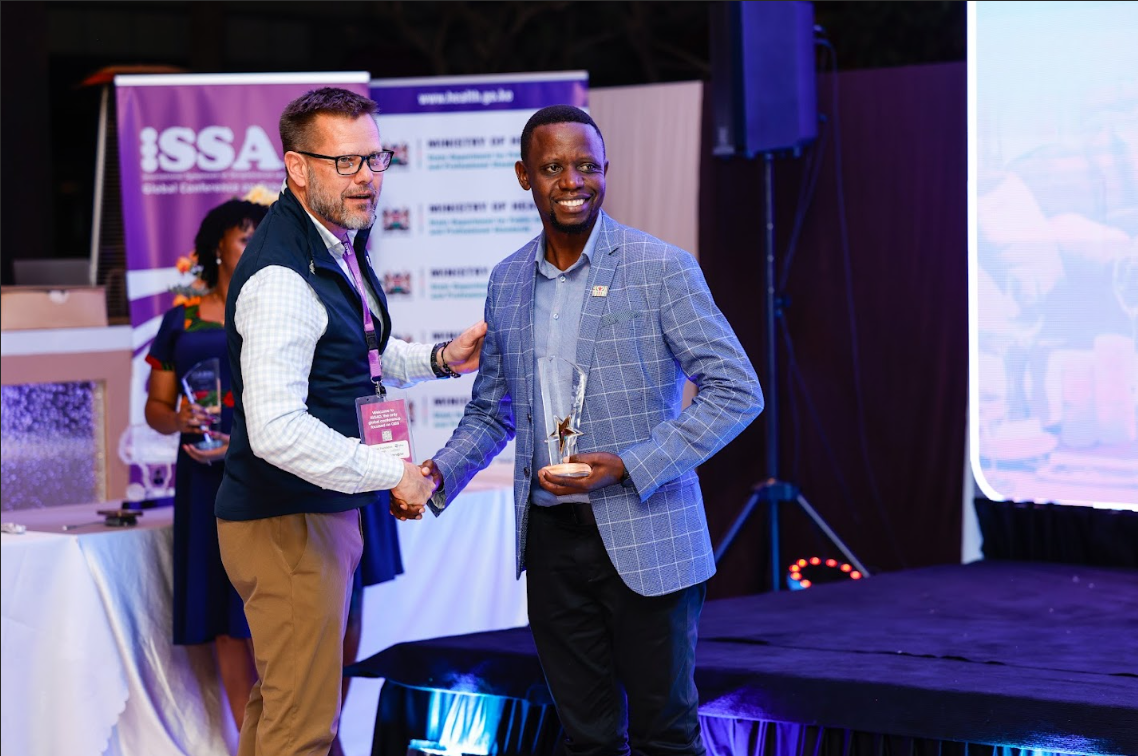
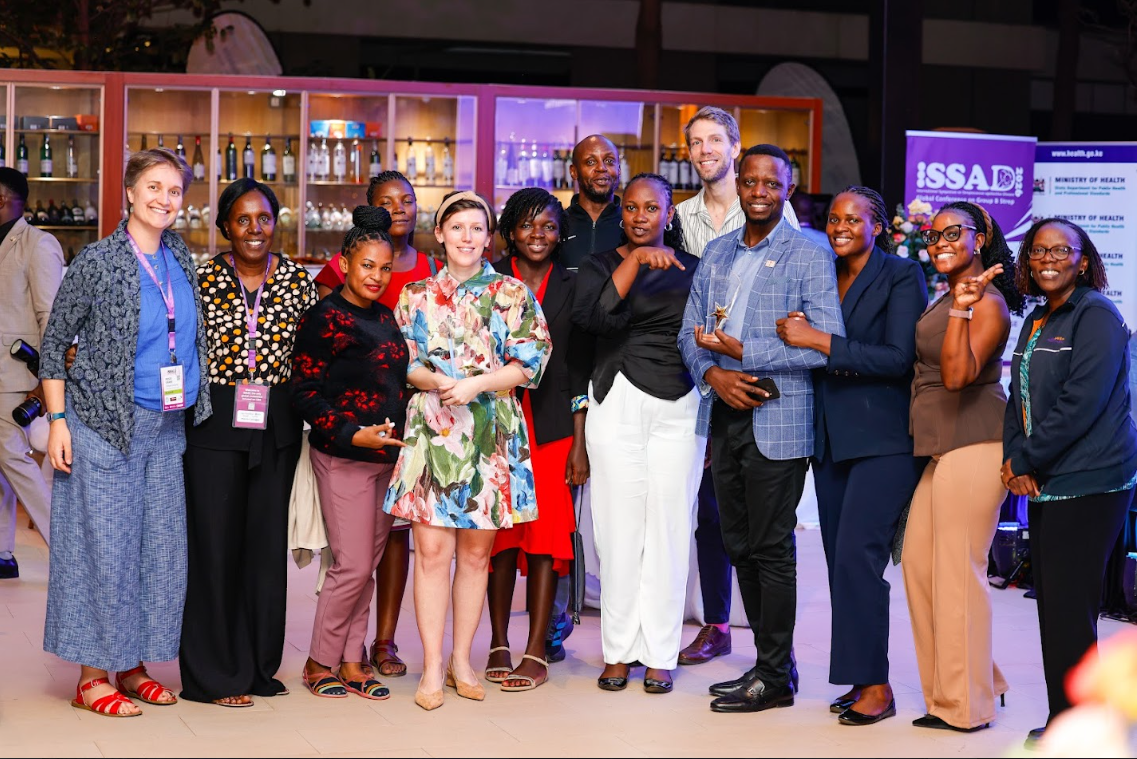
As part of PROTECT’s work on vaccine confidence, partners are looking into perceptions of vaccines and vaccine trials among key stakeholders. The relevance of this ongoing work was recognised at ISSAD, where a Young Investigator Award was presented to Khamisi Musanje (MU-JHU), a contributor to PROTECT’s efforts to improve vaccine confidence and maternal vaccine trial participation. He gave an insightful talk on men’s understanding of maternal vaccination titled “It prevents having a son without legs”: Men’s understanding of maternal vaccination — a qualitative study in Uganda.
Stronger collaboration to advance the maternal vaccine research agenda
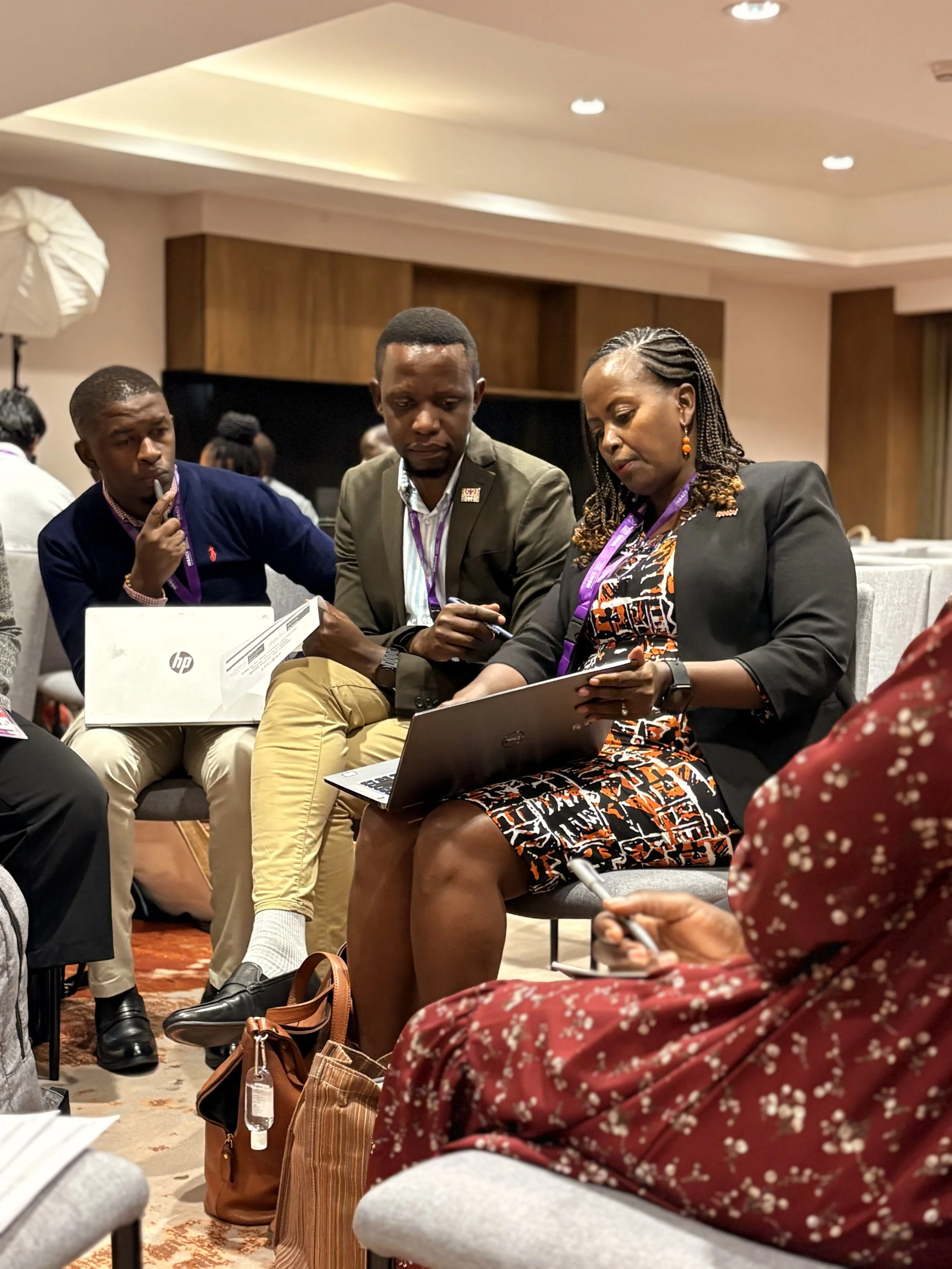
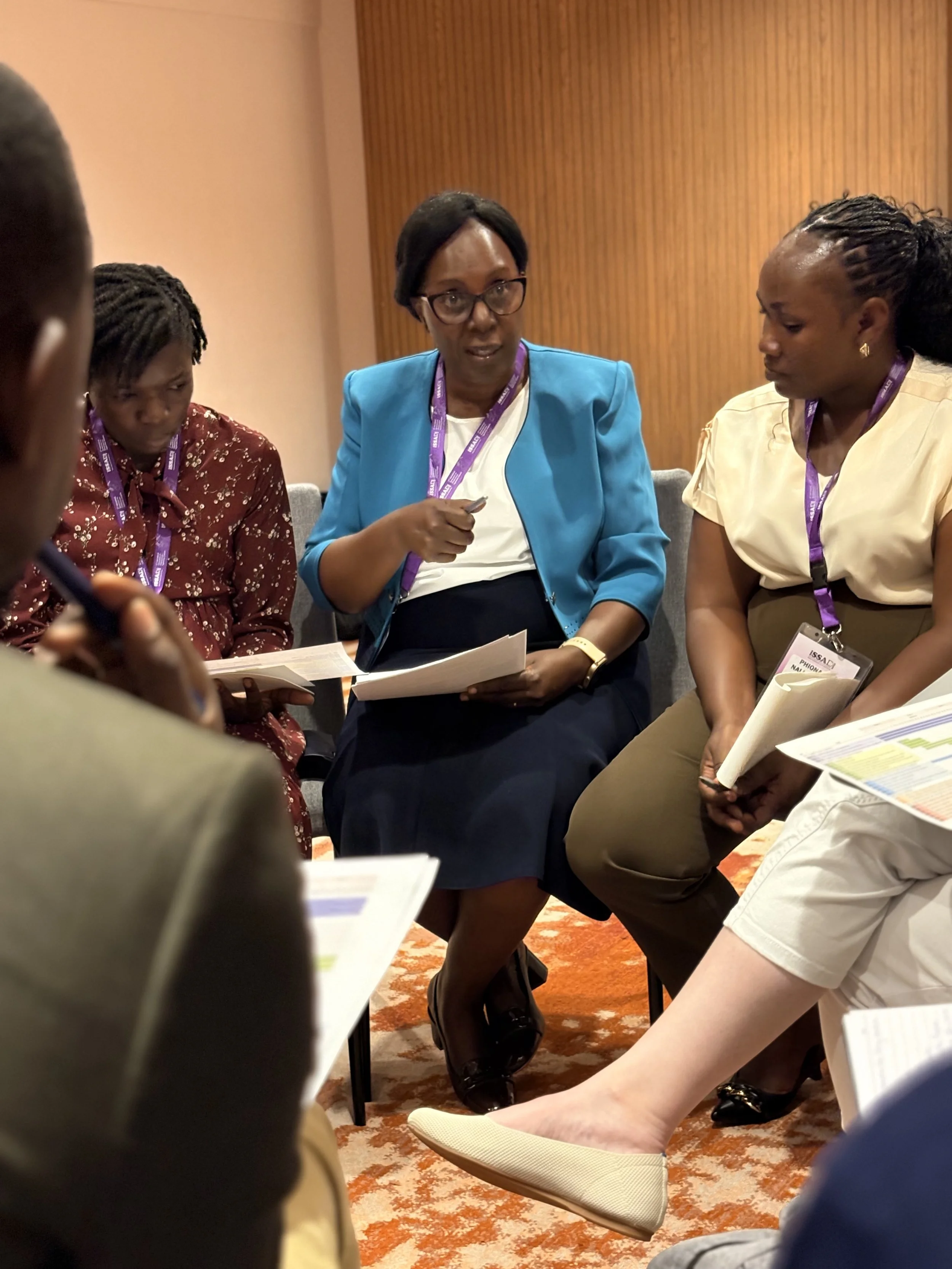
With strong partner presence, the event was also a unique opportunity for the consortium to meet in person, reflect on recent milestones and discuss next steps. PROTECT partners held an in-person consortium meeting, where they talked about the progress of ongoing studies in Kenya, Malawi, Mozambique, and Uganda, considered solutions to challenges, and celebrated achievements so far. The meeting was further enriched by contributions from two External Advisory Board members – Clare Cutland and Michelle Groome.

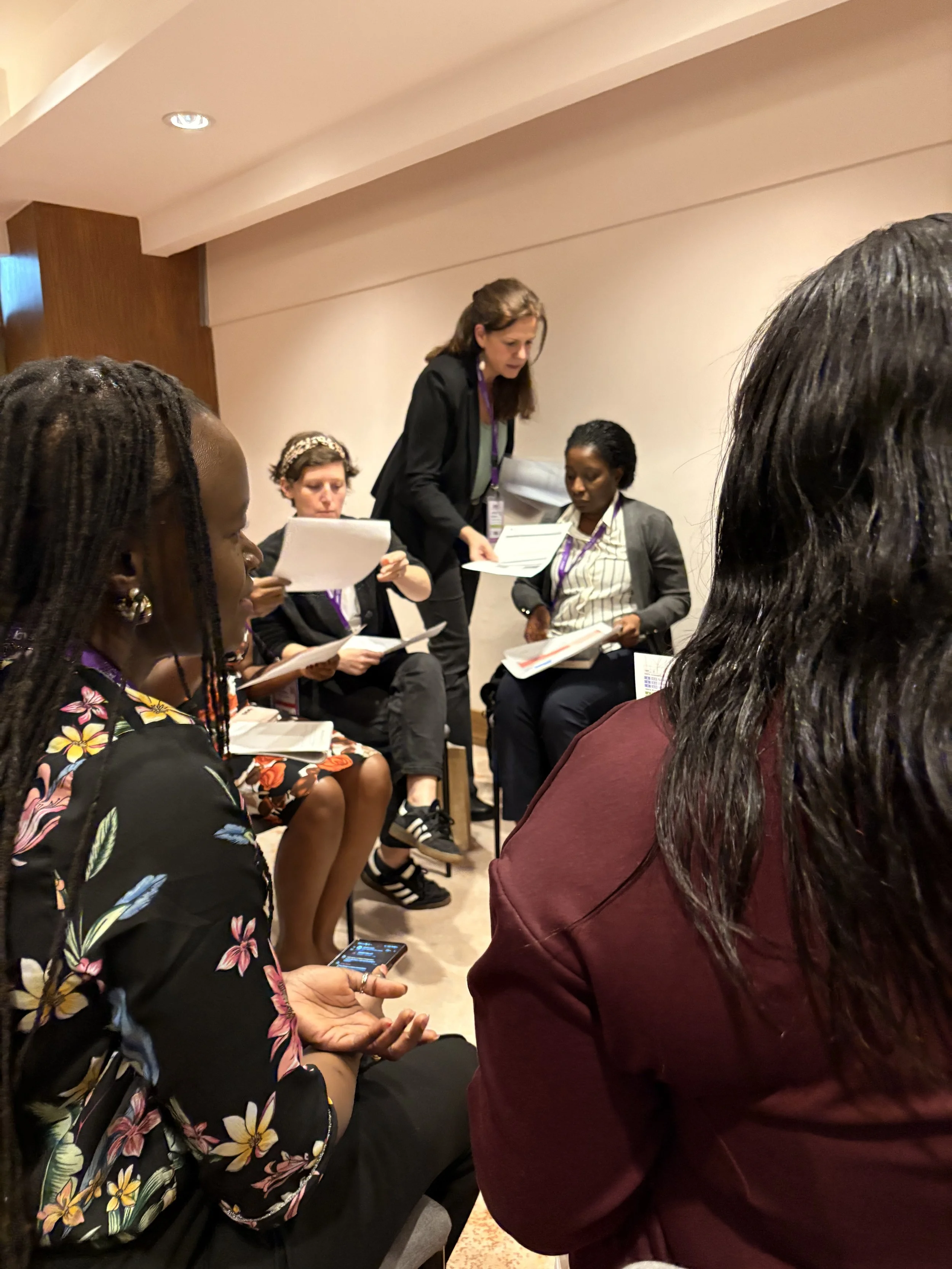
ISSAD 2026 came at a key moment in the PROTECT project, with researchers deeply engaged in gathering evidence, strengthening surveillance systems, and considering barriers to implementing vaccine trials and campaigns. Having shared some of the ongoing research and connected with the GBS research community, the partners are entering the final project year with strengthened drive and enthusiasm.
A more detailed overview of PROTECT partners and contributors’ participation at ISSAD 2026 can be found here.
If you’d like to get in touch with any of the participants, check out our team page.