“Reliable data and coordinated partnerships are key”: PROTECT brings together immunisation stakeholders in Kenya
On 26 February, Aga Khan University, a PROTECT partner, hosted a stakeholder engagement event in Nairobi, convening leaders in maternal health to strengthen collaboration and define actionable next steps for maternal vaccine policies and practices in Kenya.
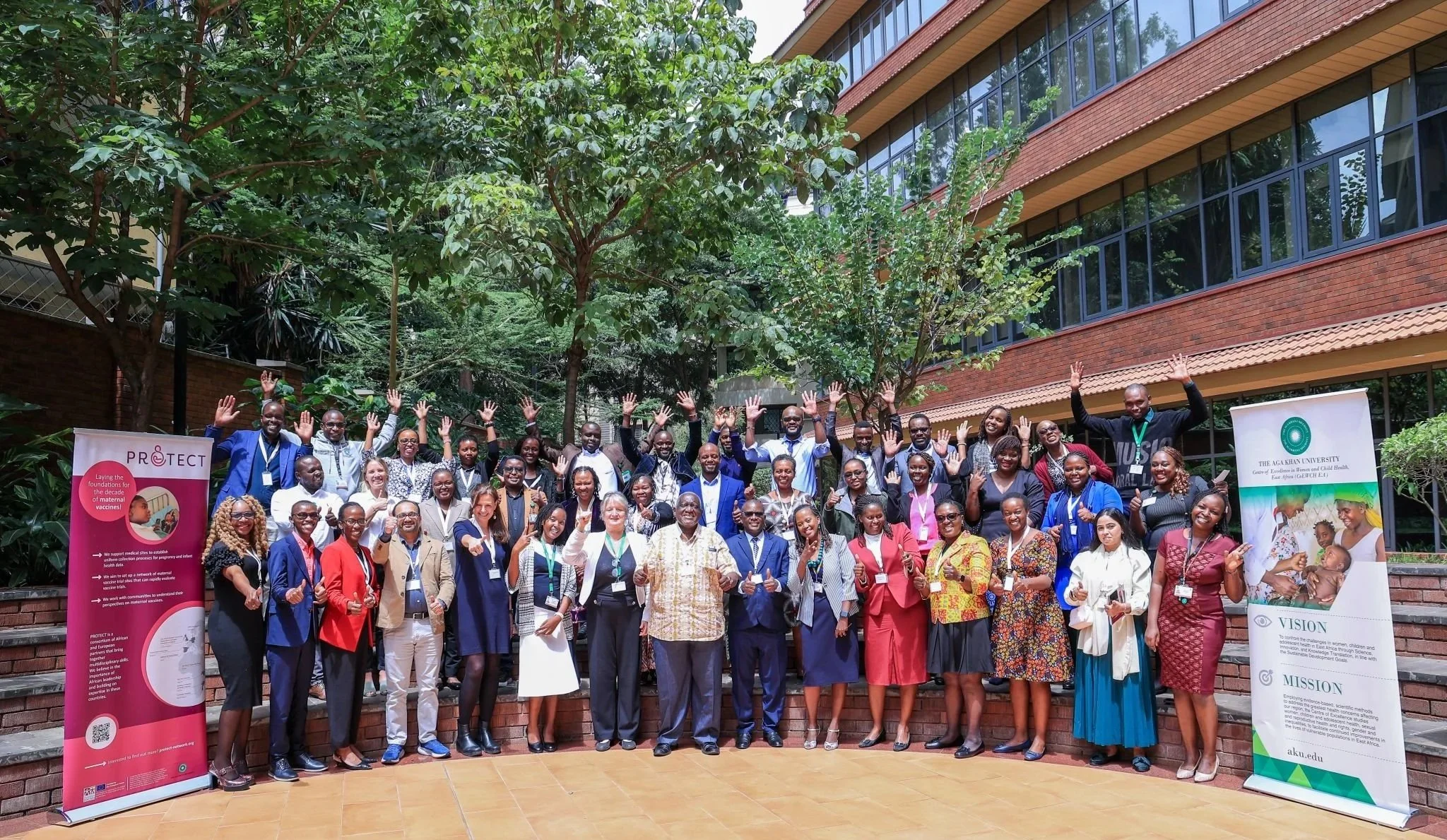
Stakeholder event organisers and attendees in Nairobi, Kenya.
Despite Kenya’s progress in immunisation and maternal health, introducing new maternal vaccines will require deliberate investment in evidence, strong health systems, strategic communication and sustainable financing. Aiming to lay the foundations for the decade of maternal vaccines, the PROTECT network is actively addressing these needs by strengthening the national capacity for data collection and disease surveillance, as well as addressing barriers to vaccine confidence.
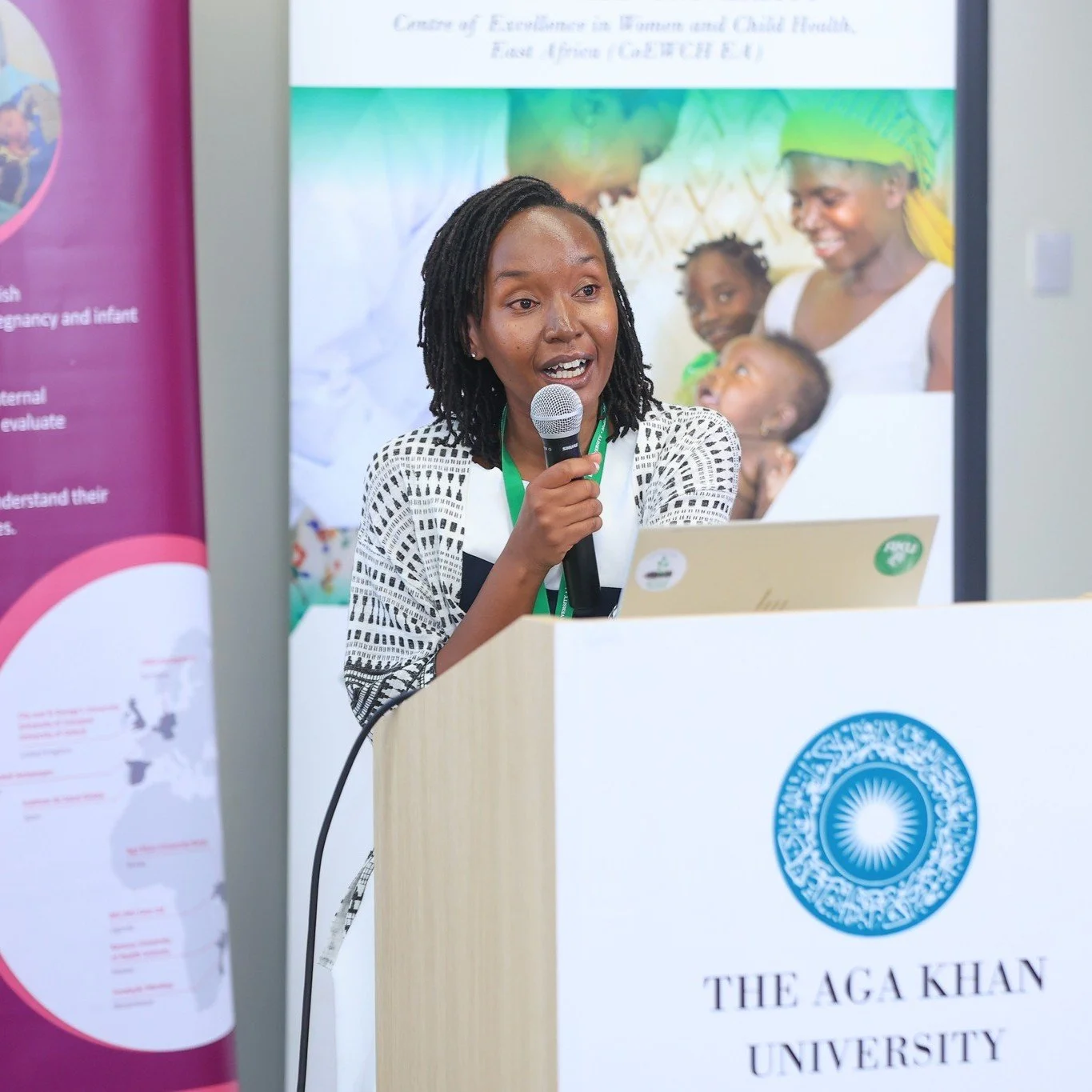

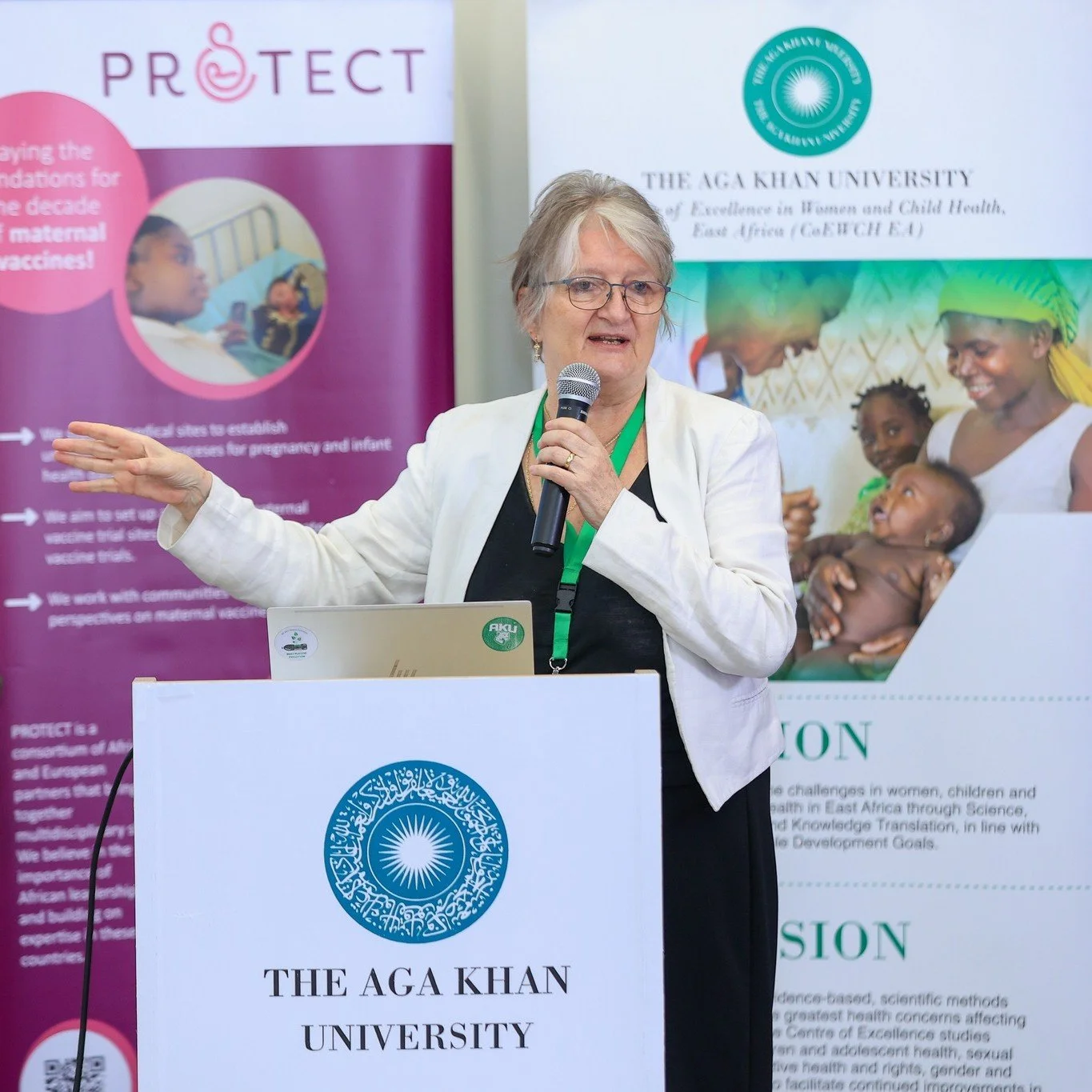
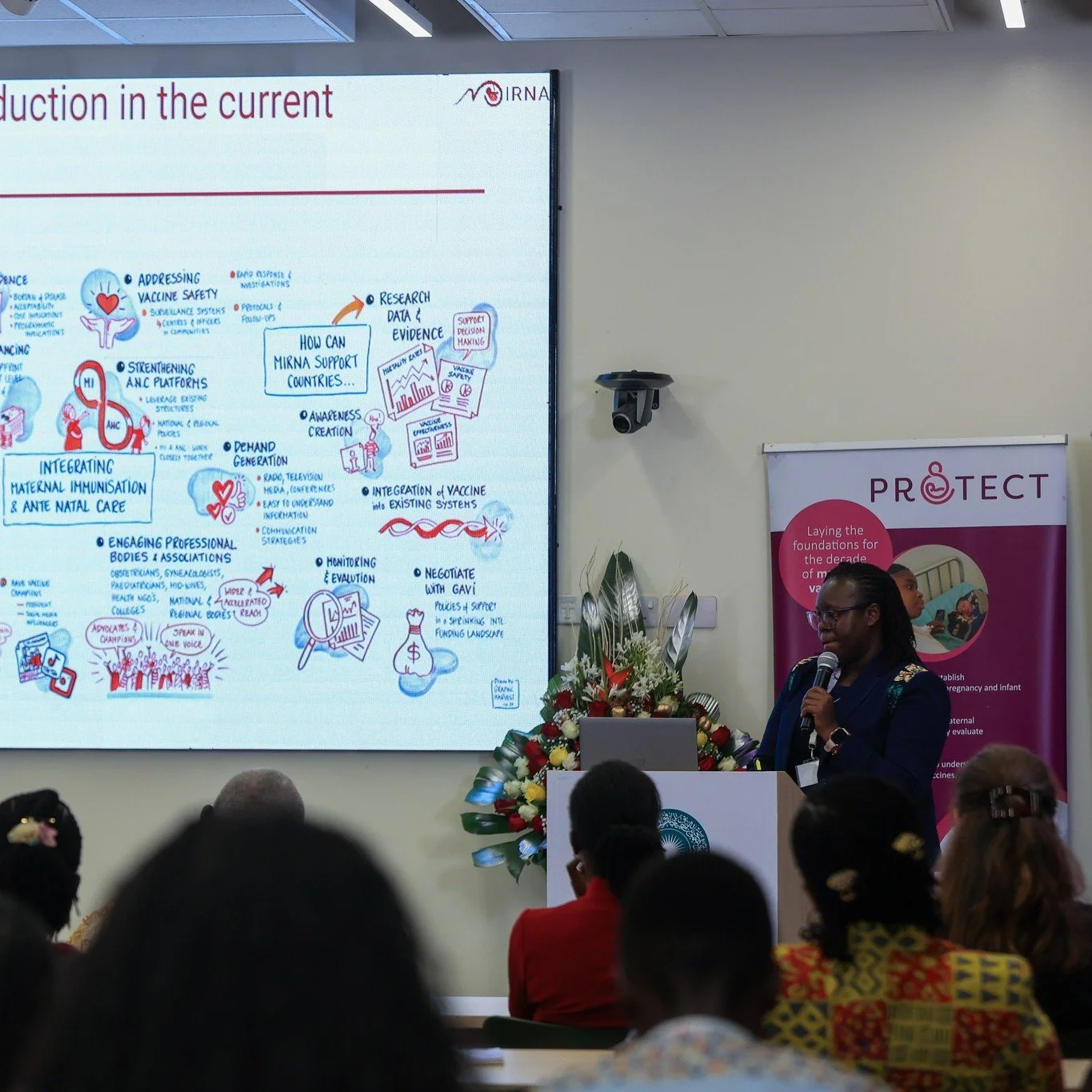
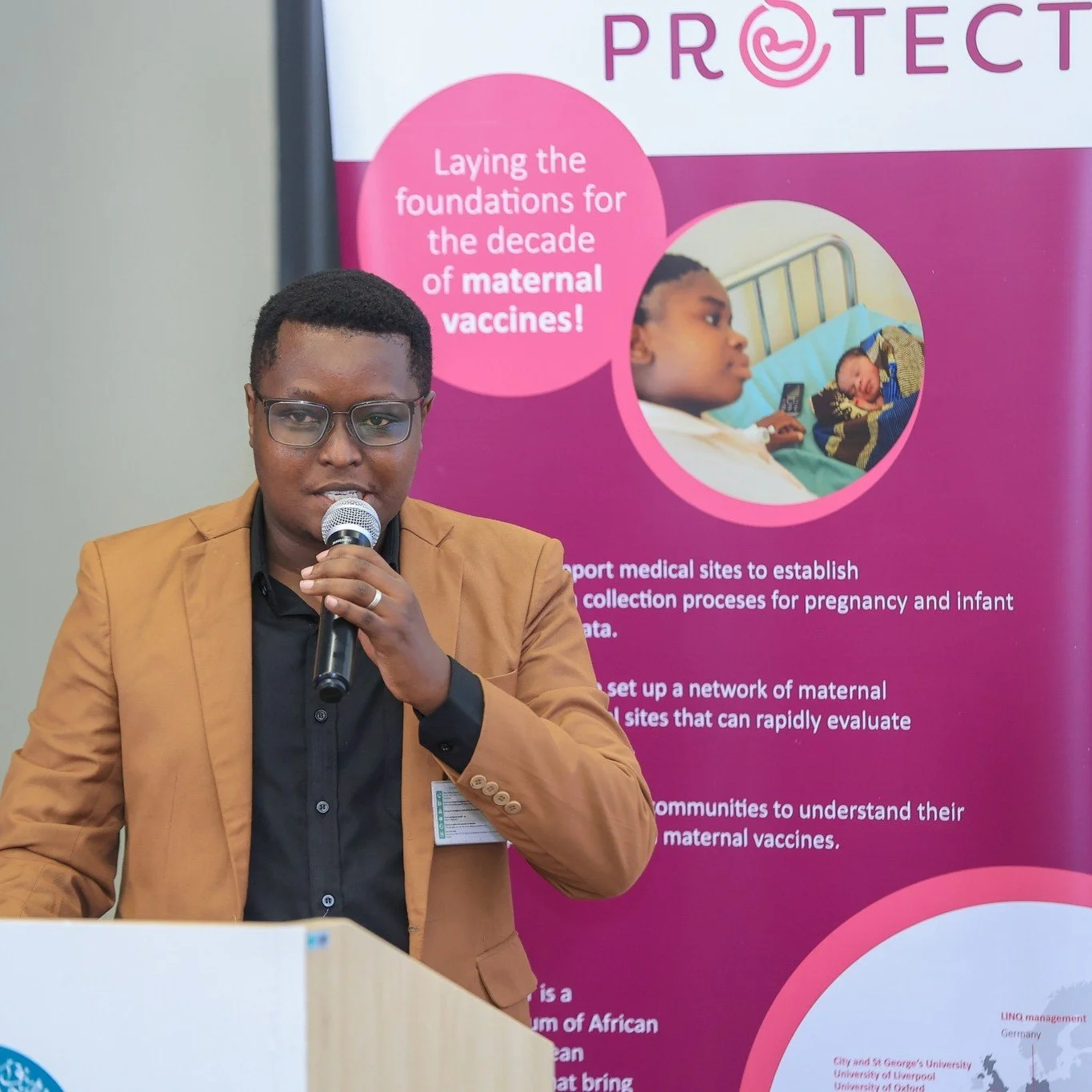
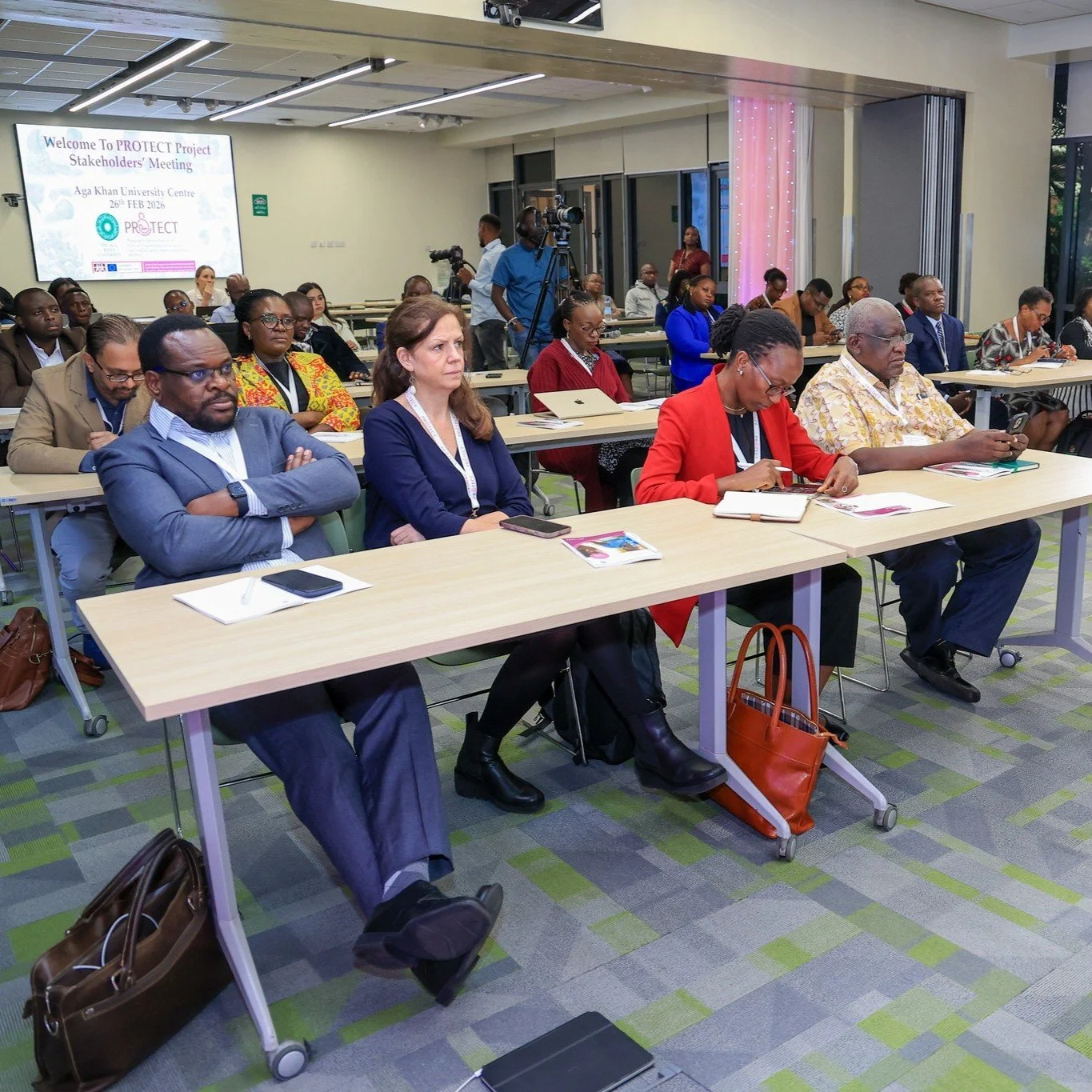
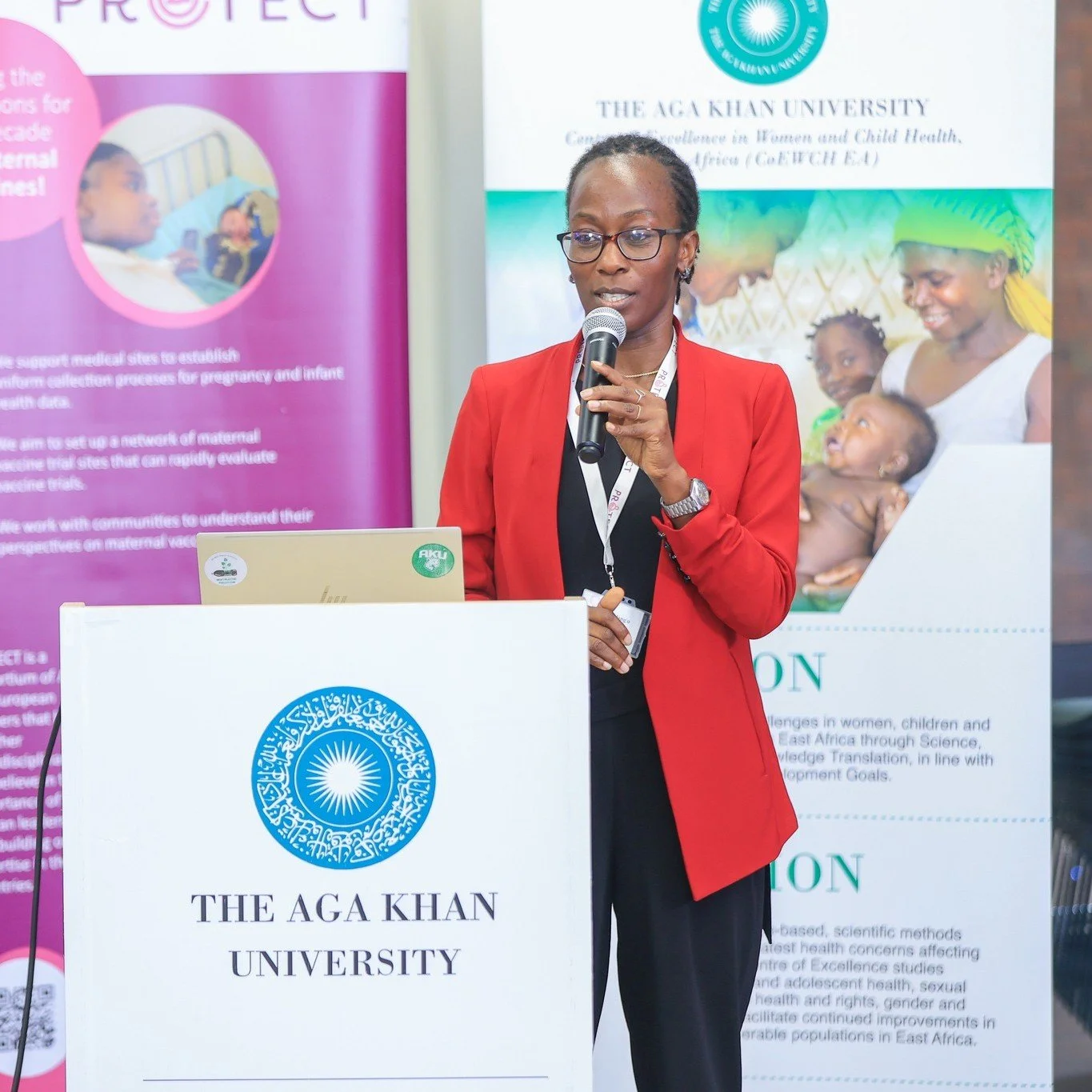
The meeting brought together leaders from the National Vaccines and Immunization Program (NVIP), the Pharmacy and Poisons Board (PPB), the Gates Foundation, the African Population and Health Research Center (APHRC), LVCT-Health, the Kenya Medical Research Institute (KEMRI), Kilifi County, and academia.
Speaking at a national stakeholders meeting, Dr Rose Jalang’o, Head of the National Vaccines and Immunization Program at the Ministry of Health Kenya, noted that Kenya is not just ready to introduce new maternal vaccines but is positioned to lead, emphasising that readiness is not automatic and requires deliberate investment in evidence, strong health systems, strategic communication and sustainable financing starting now.
The forum highlighted the importance of combining scientific innovation with strong, resilient systems to successfully introduce maternal vaccines and deliver impact at scale, marking an important step toward coordinated, evidence-informed policy and action to protect mothers and newborns.
According to the participants, the most critical system gap for successfully introducing and scaling new maternal vaccines and trials is the trust and demand among mothers. Overall, they agreed that Kenya currently possesses a moderate level of readiness - while a sufficient foundation exists, deliberate investment is required in safety monitoring, data systems, and community trust. Stakeholder engagement, especially focusing on doctors and obstetricians, will be key in driving vaccine acceptance.
PROTECT partners are committed to continued support of these crucial activities in Kenya, where the work is led by Dr. Angela Koech and is being implemented in Kilifi County at Malindi Sub-County Hospital, Mariakani Sub-County Hospital, and Rabai Sub-County Hospital, strengthening local capacity to contribute to global maternal vaccine research while protecting mothers and newborns closer to home.