From research to action: PROTECT showcases project results to researchers and policymakers in Mozambique
Since last year, the PROTECT study has been ongoing in four African countries, with the aims of setting up pregnancy registries, Group B Streptococcal (GBS) disease surveillance, and exploring vaccine and vaccine trial confidence. Mozambique is one of the countries where the PROTECT study is being carried out in selected hospitals, and first findings are starting to emerge. With preliminary results under their belt, the researchers have now started to take the next steps towards ensuring that this information informs health-related policies and practice, ultimately improving the health of pregnant women and babies.
In July, PROTECT partners Manhiça Health Research Center (CISM) and Barcelona Institute for Global Health (ISGlobal) undertook different activities to showcase the results of the ongoing study in Mozambique and its implications for the country’s healthcare system and clinical practice.
First stop: Meeting with the Mozambique Ministry of Health in Maputo
On 14 July, a group of researchers from CISM took part in a meeting with Ministry of Health officials, including Leonildo Nhampossa, Director of Expanded Programme of Immunisation, and Marla Amaro, Director of Maternal, Child, and Family Health. ISGlobal is closely involved in many maternal health studies conducted by CISM, and Azucena Bardají, PROTECT coordinator from ISGlobal, also took part.
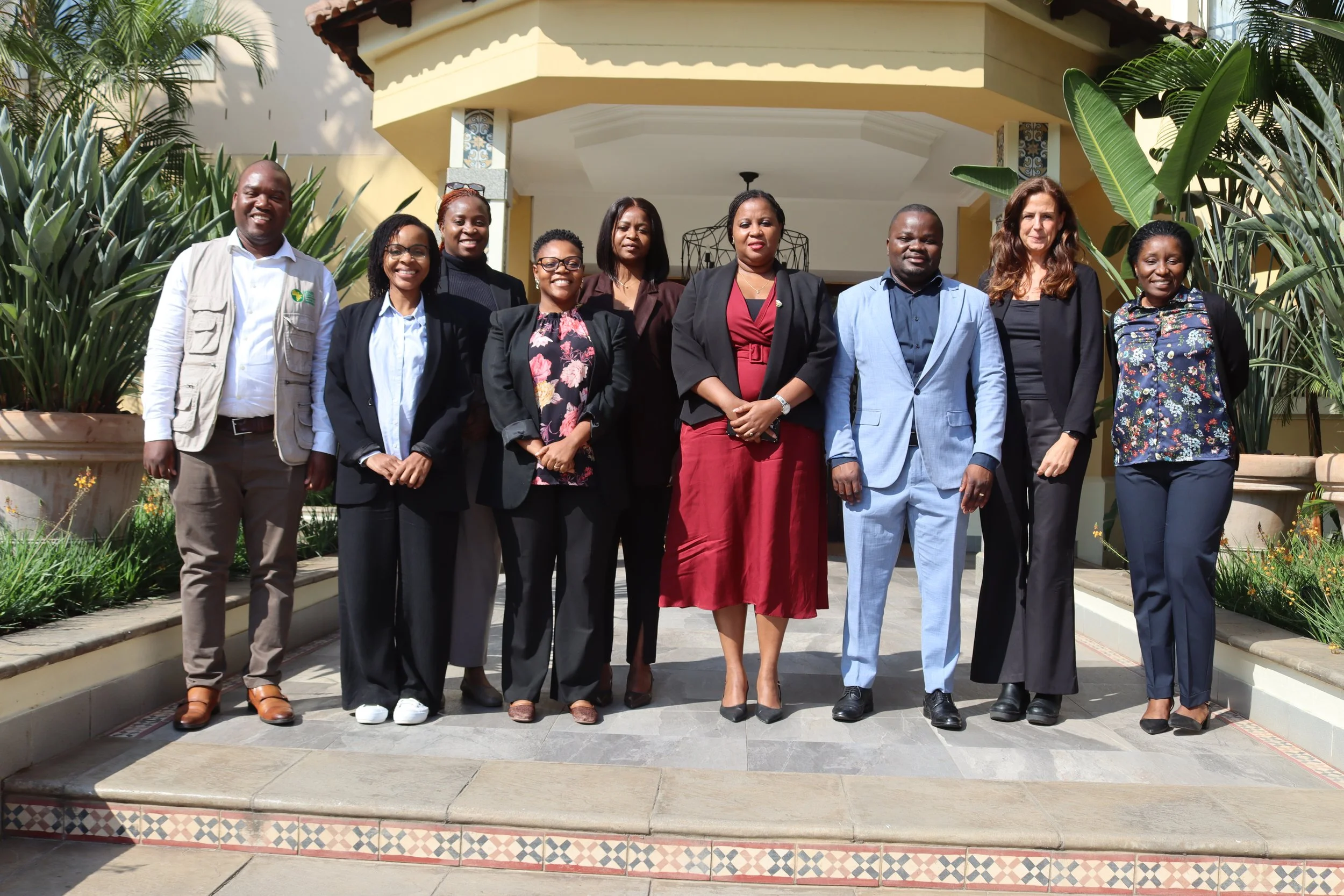
Representatives from CISM, ISGlobal, and the Ministry of Health of Mozambique.
Researchers presented the progress in several ongoing studies, including preliminary results from PROTECT. To present learnings from the experience of setting up pregnancy registries in Uganda, Eve Nakabembe, PROTECT scientific lead, and Gordon Rukundo, who leads the work on pregnancy registries, also attended online.
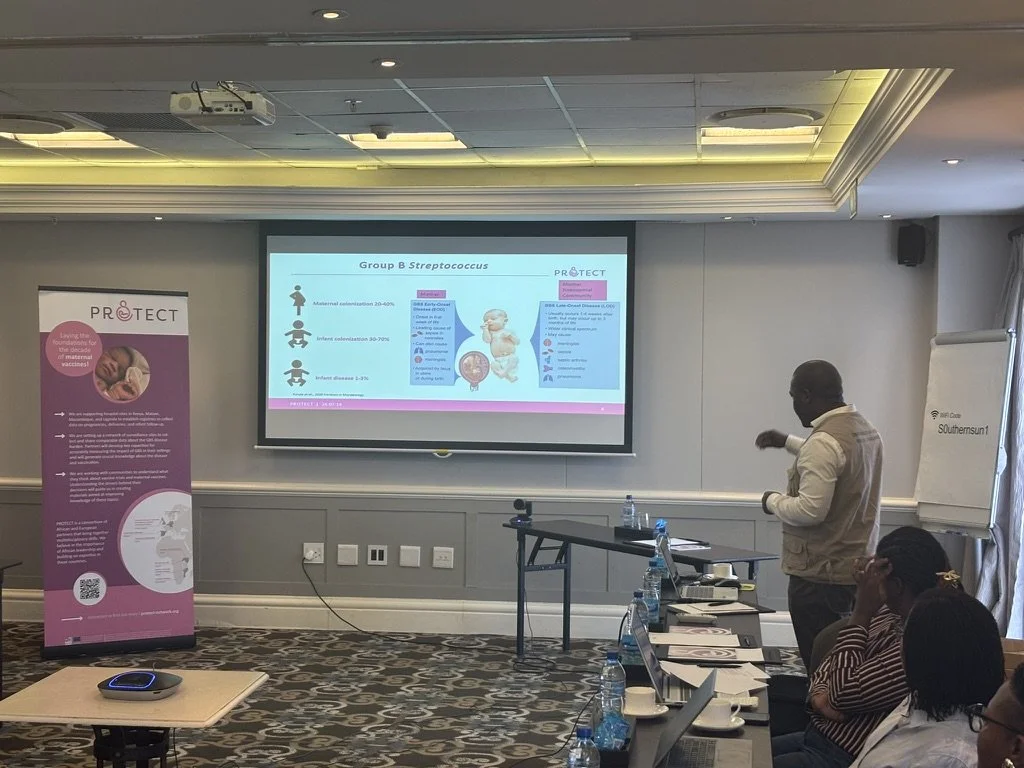
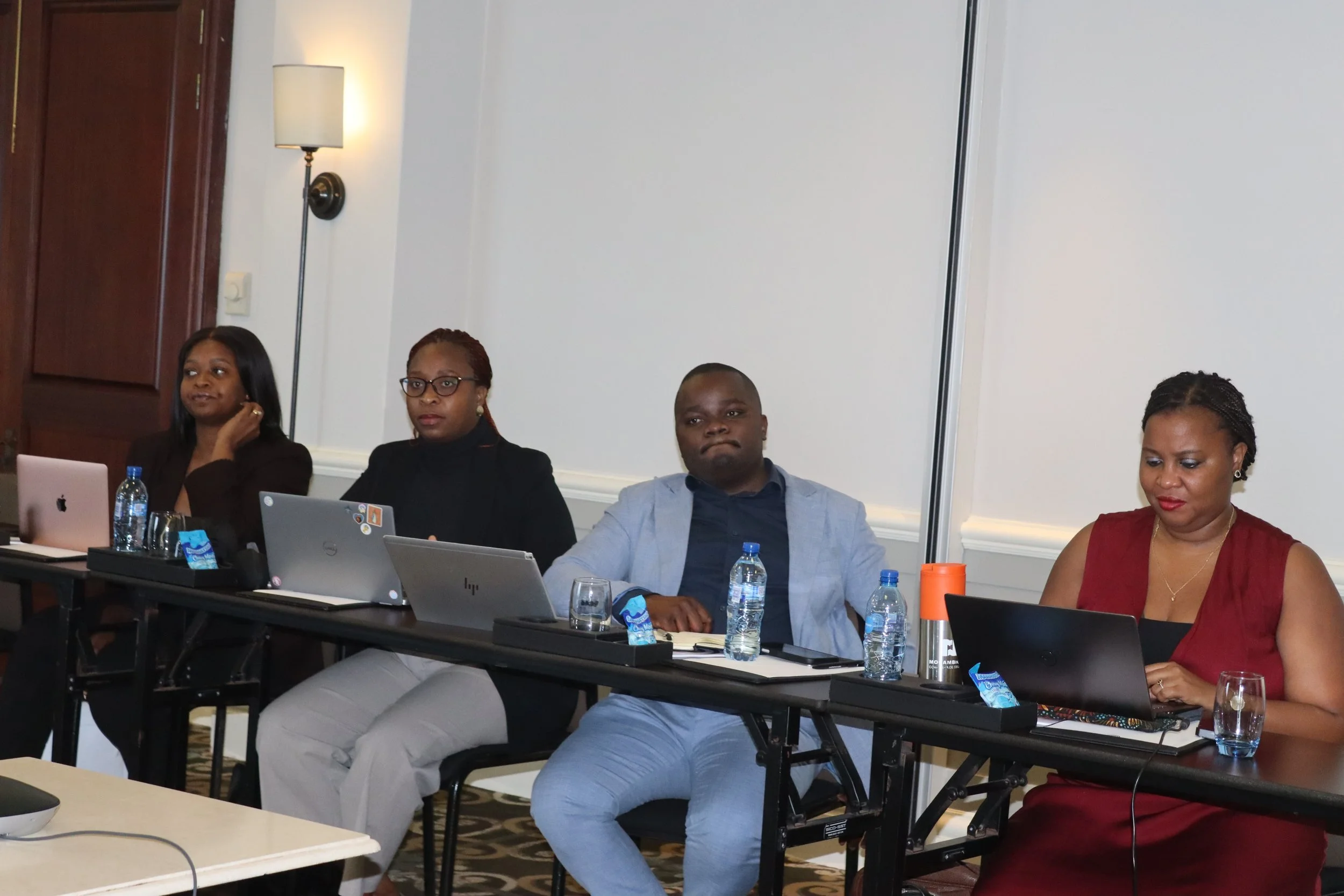
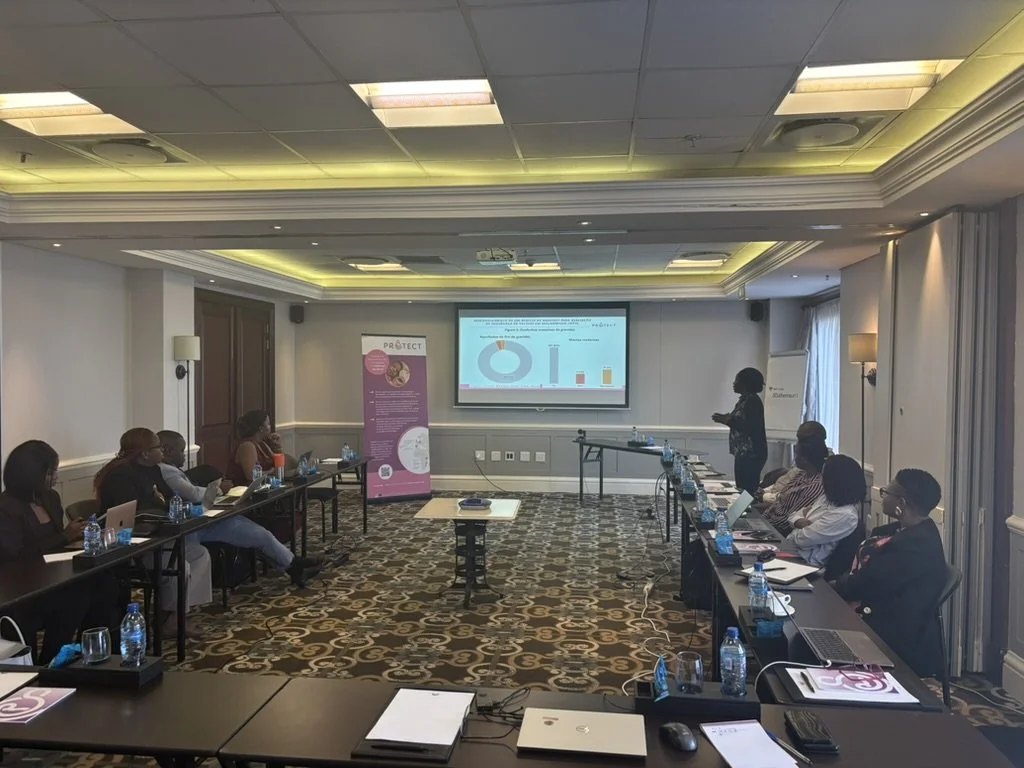
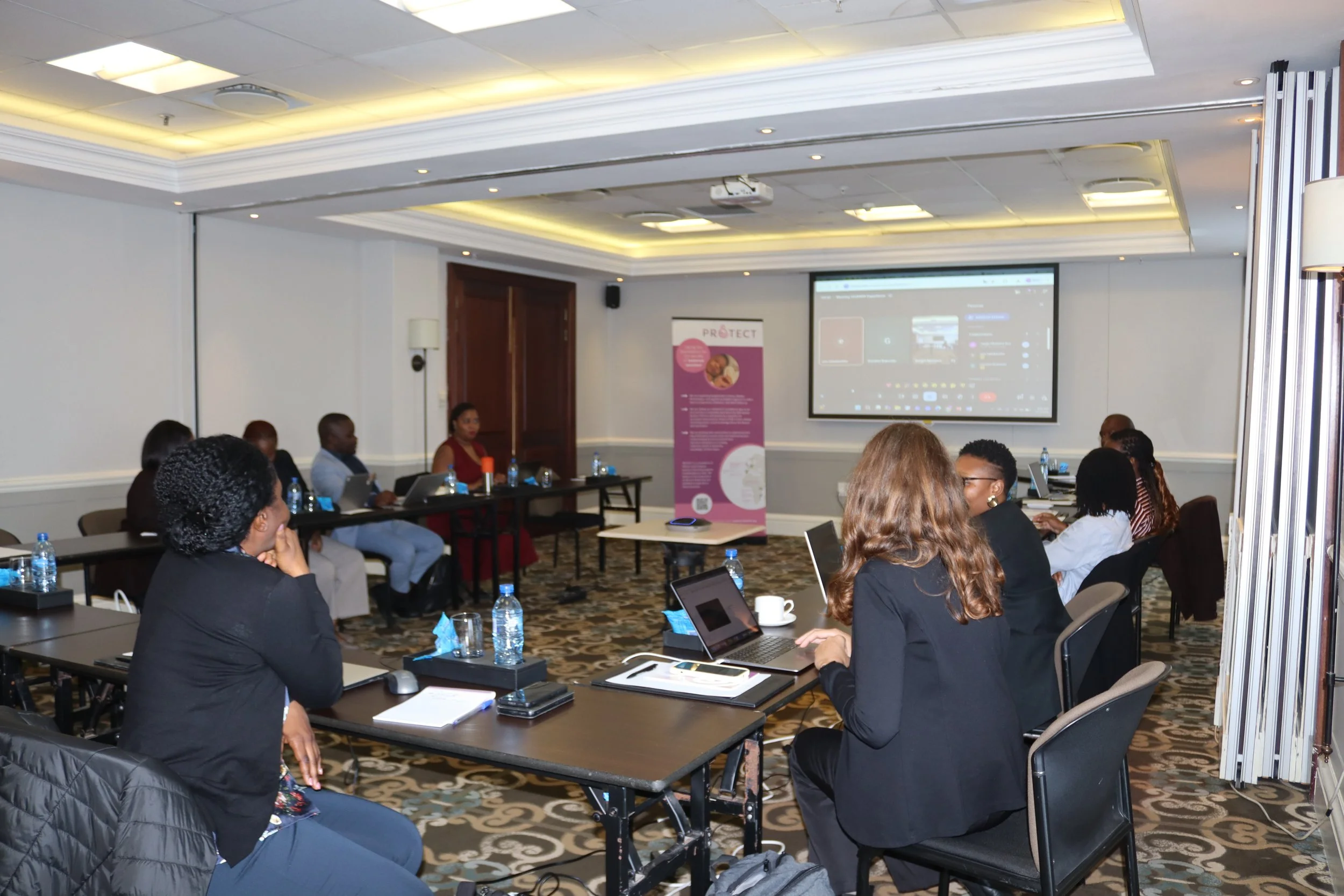
Ministry representatives were impressed with project progress and expressed support and encouragement for ongoing PROTECT activities. The introduction of electronic registries was of particular interest, and participants explored how this work might contribute to existing governmental plans for rolling out an infant health electronic medical records system.
Second stop: Global Health Symposium
Between 15-16 July, the annual Global Health Symposium took place, organised by the Manhiça Foundation, CISM’s managing entity. This year marked the 30th anniversary of the research center, making the symposium a place to celebrate science and health research. CISM has generated evidence that has informed national health policy in Mozambique, contributing to the introduction and optimisation of vaccines against malaria, pneumococcus, rotavirus, HPV, and COVID-19. The event brought together researchers, health professionals, students, and policymakers, including Prime Minister Maria Benvinda Levy and Minister of Health Ussene Hilário Isse.
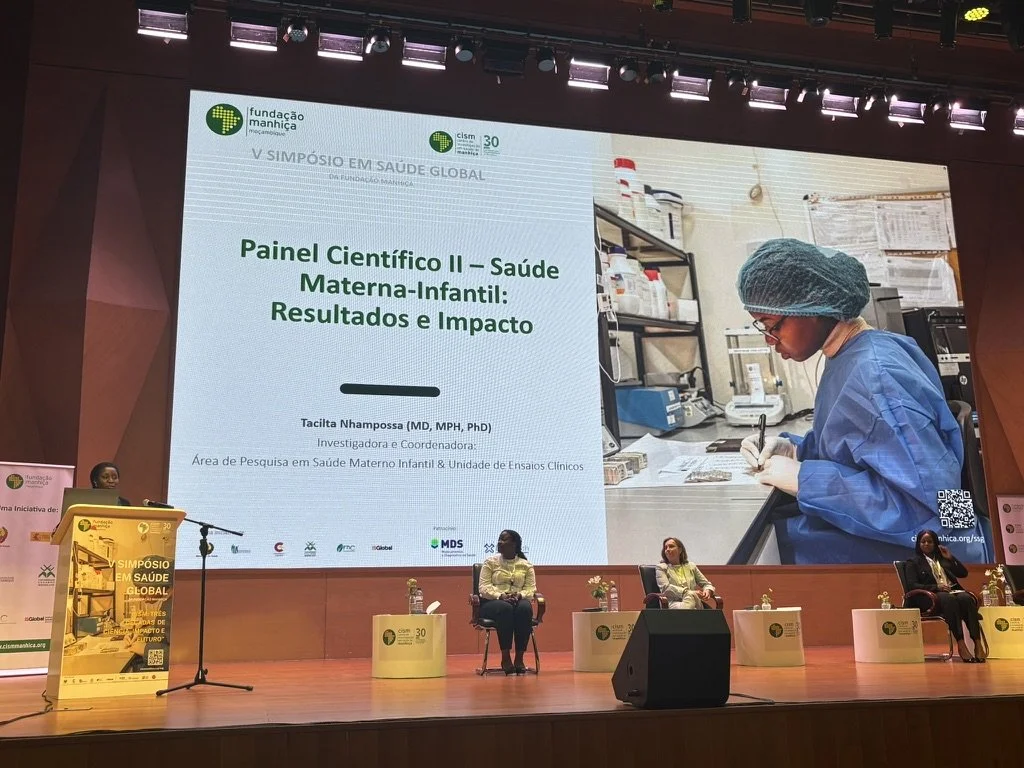
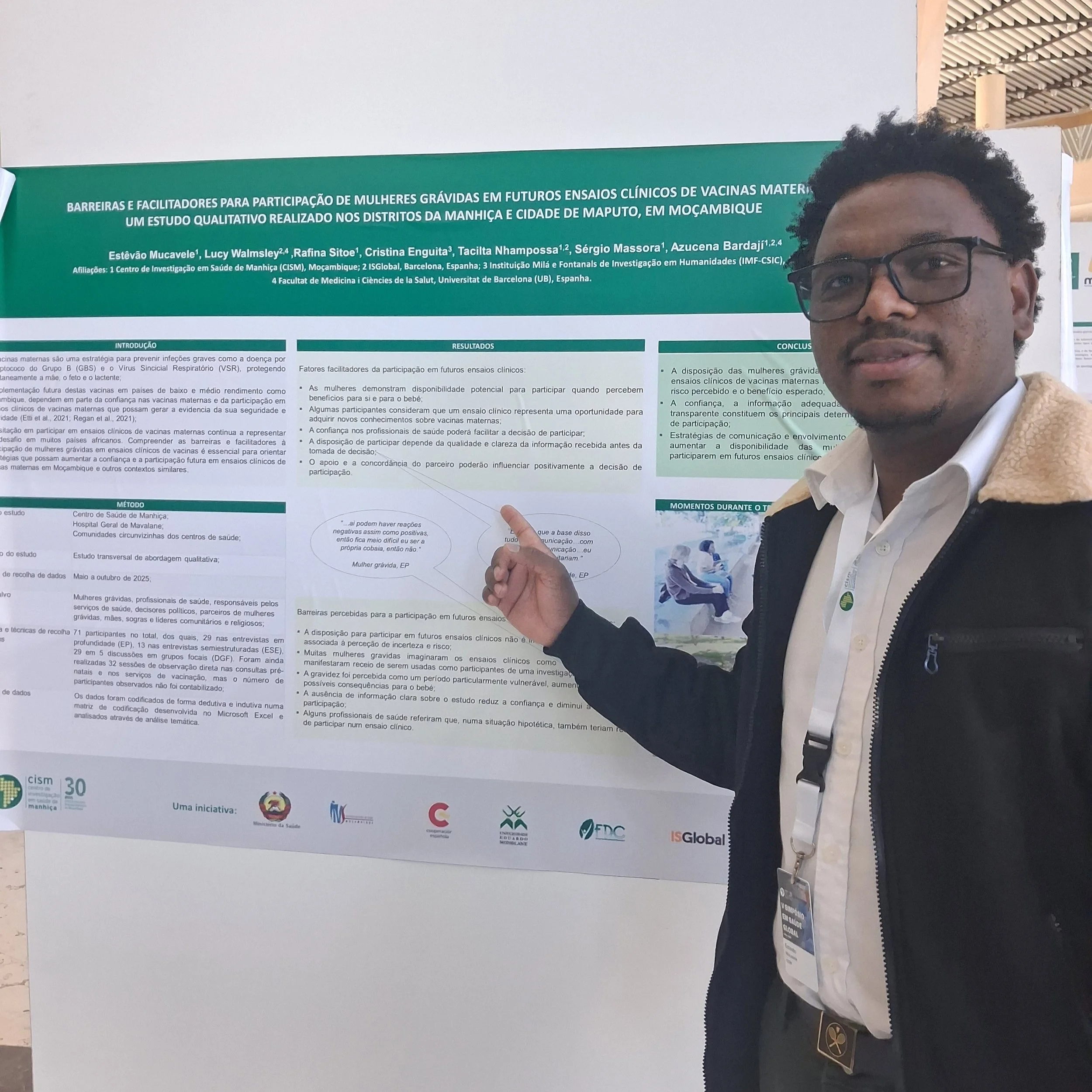
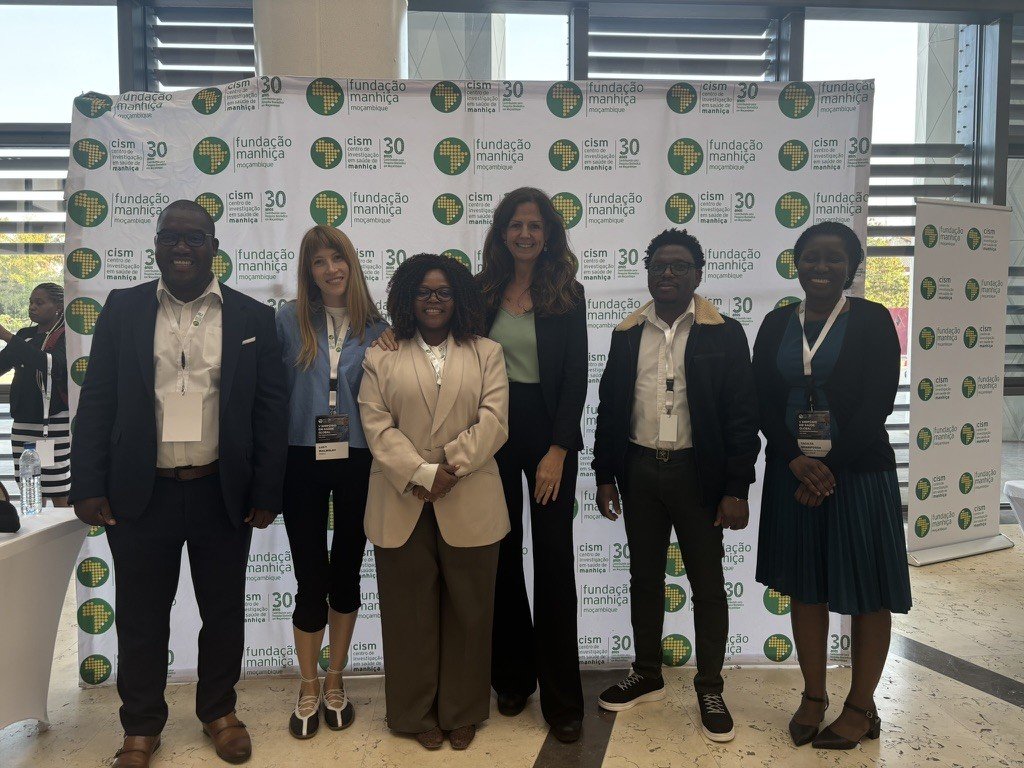
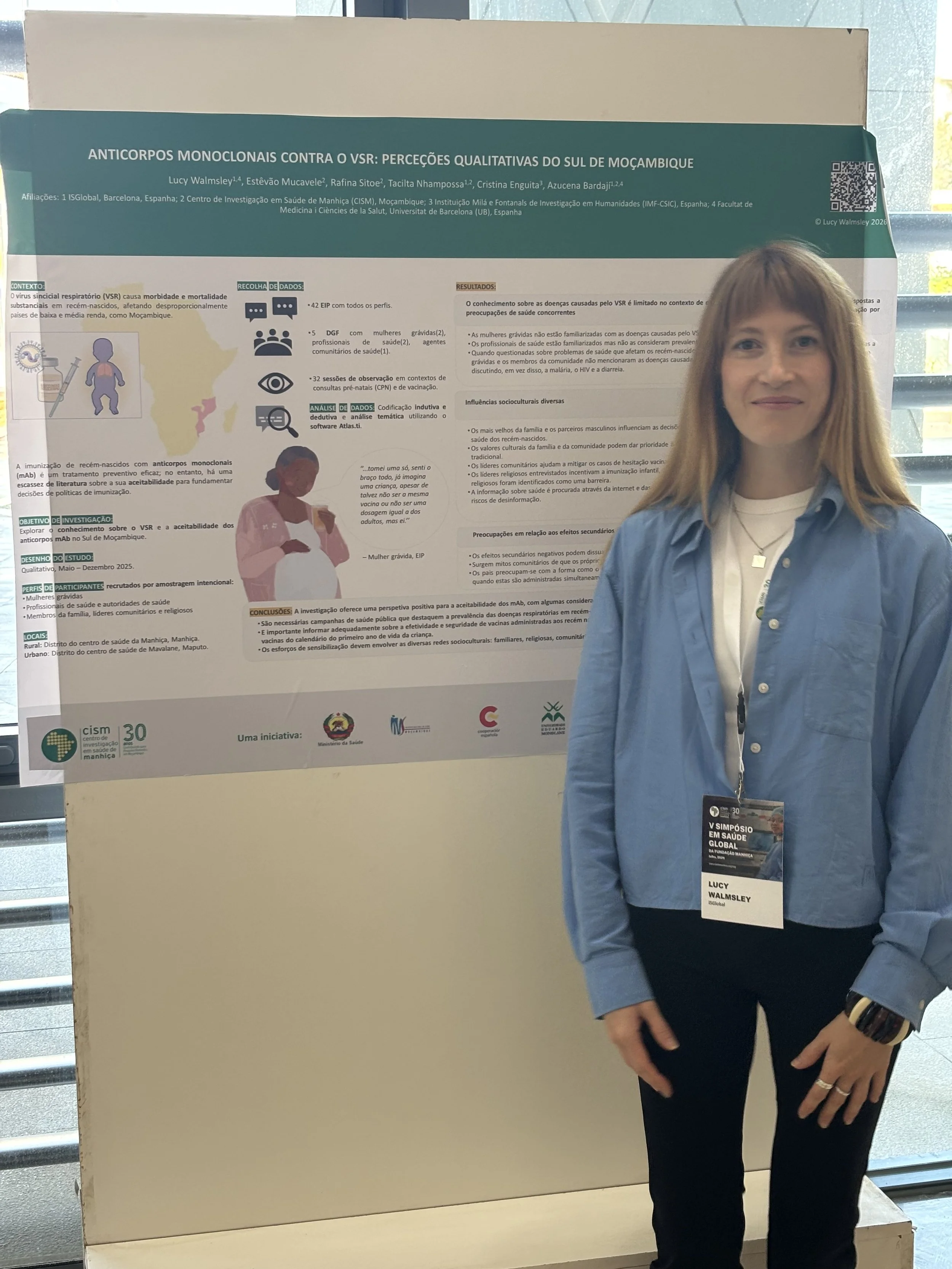
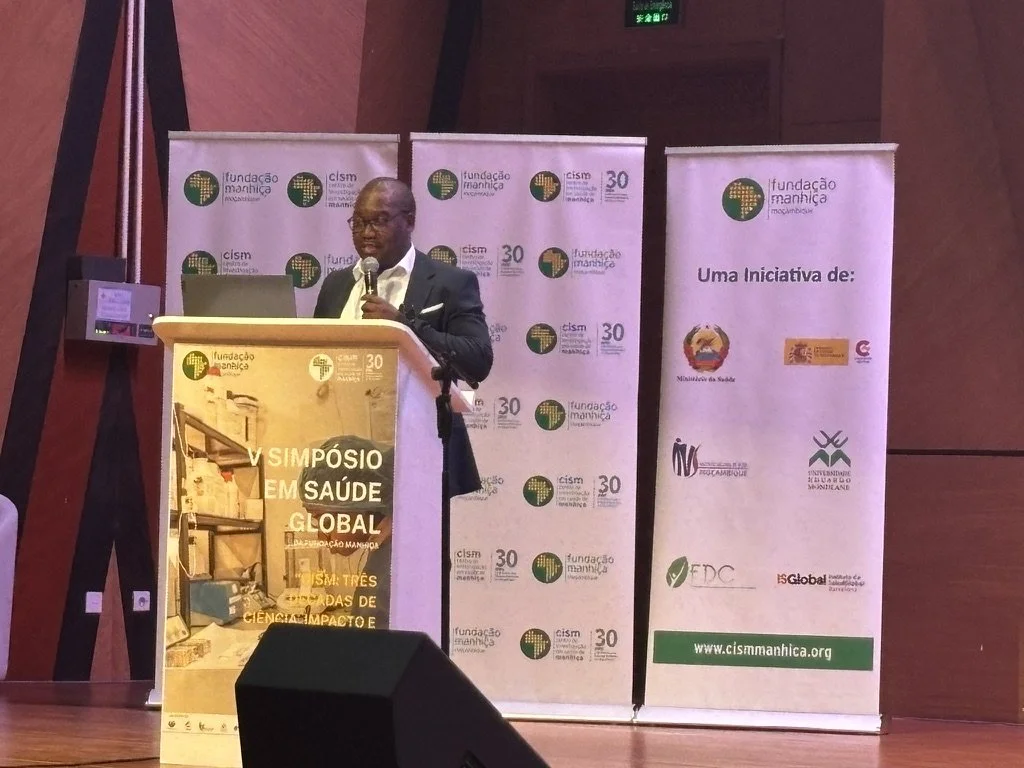
The PROTECT network was well represented at the event, with three posters highlighting the consortium’s work, and two of the CISM researchers – Tacilta Nhampossa and Sergio Massora – delivering talks on their work, which includes PROTECT.
Explore the key PROTECT study findings from the presented posters:
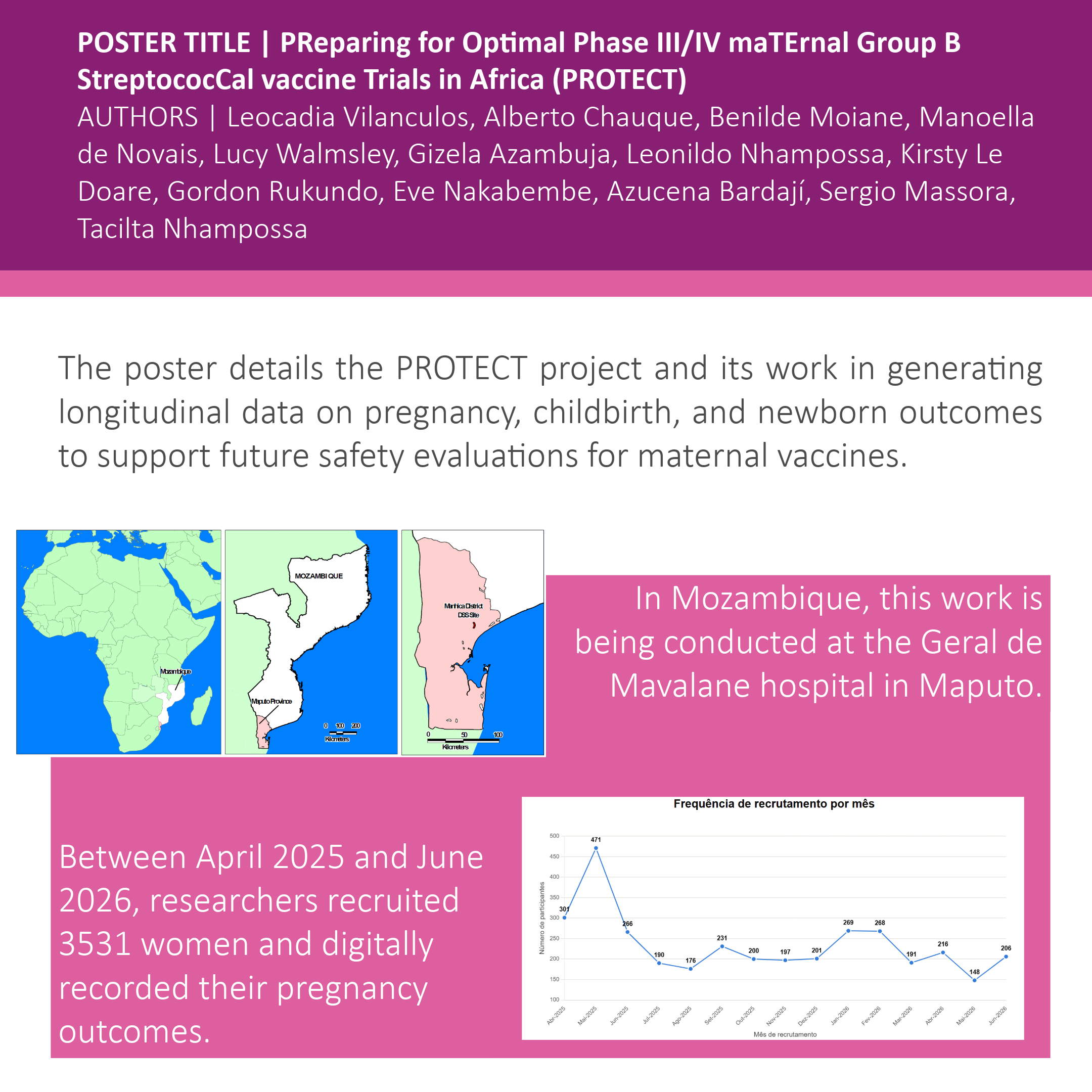
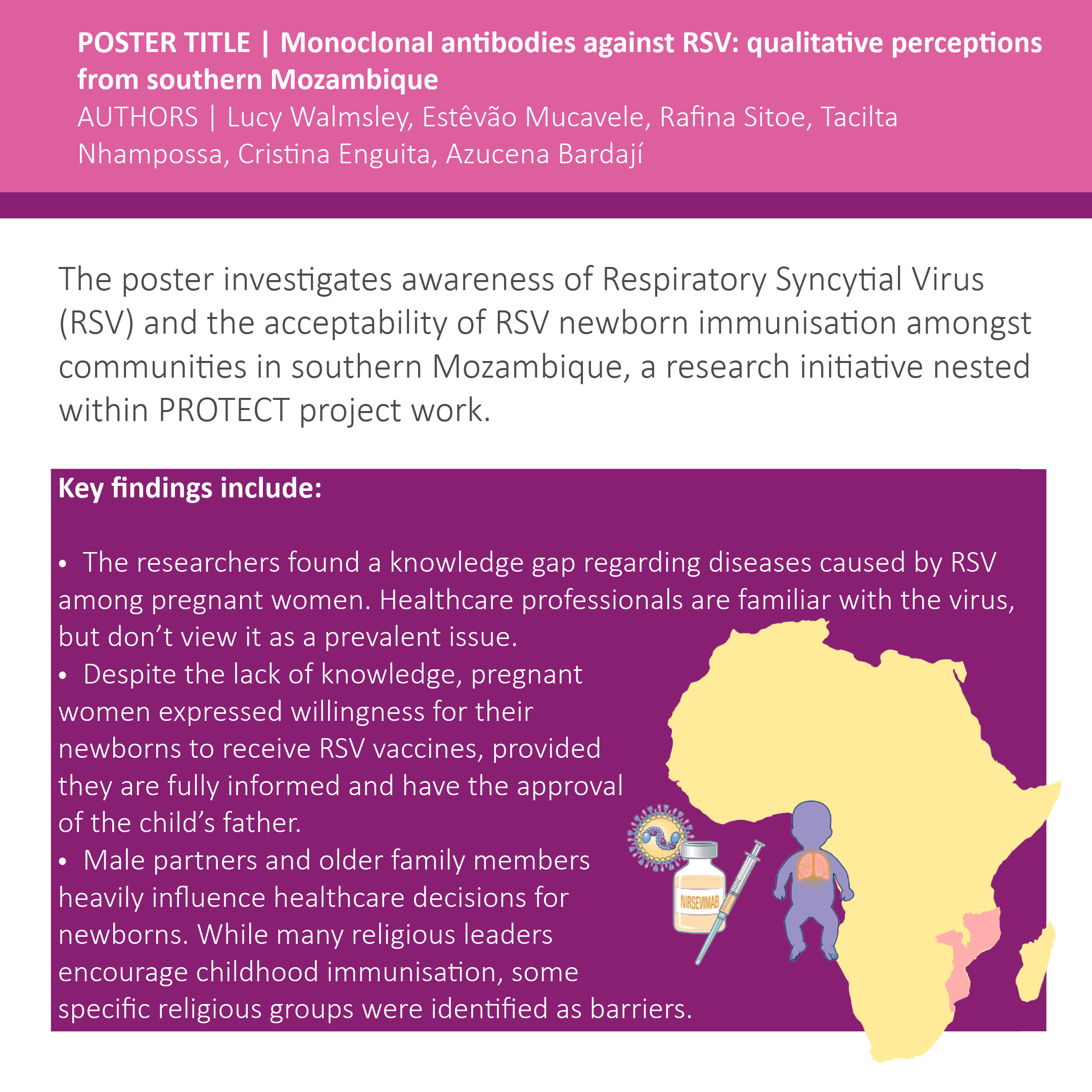
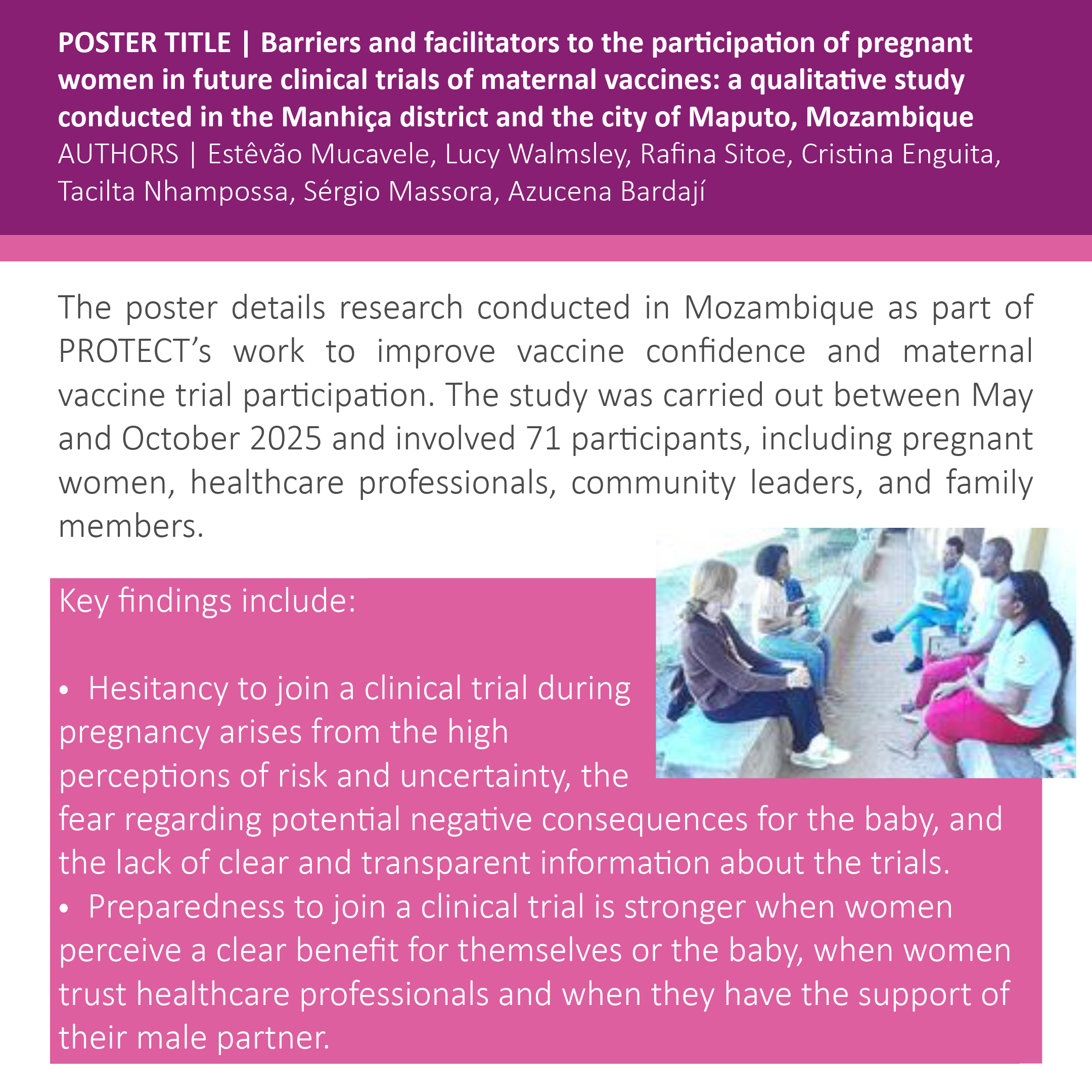
The symposium was a unique opportunity to connect with different stakeholders and present the project’s work in strengthening pregnant women and babies’ health.
CISM researchers, together with partners in Kenya, Malawi, and Uganda, are committed to carrying out the final phases of the study, strengthening the relationships with research and policymaking actors, and continuing to inform them about their findings.
To learn more about PROTECT activities, explore the news page.