PROTECT kicks off co-creation workshops with a Kampala event
On 24-25 June 2026, a participatory event took place on MU-JHU’s premises in Kampala, bringing together pregnant women, health workers, policymakers, and community influencers. Participants were there to join a co-creation workshop, the first of four to be carried out as part of PROTECT’s work on improving vaccine confidence and maternal vaccine trial participation. The event’s ultimate aim was to co-create educational toolkits and bring information about maternal vaccines and vaccine trials closer to the people who will benefit from it most.
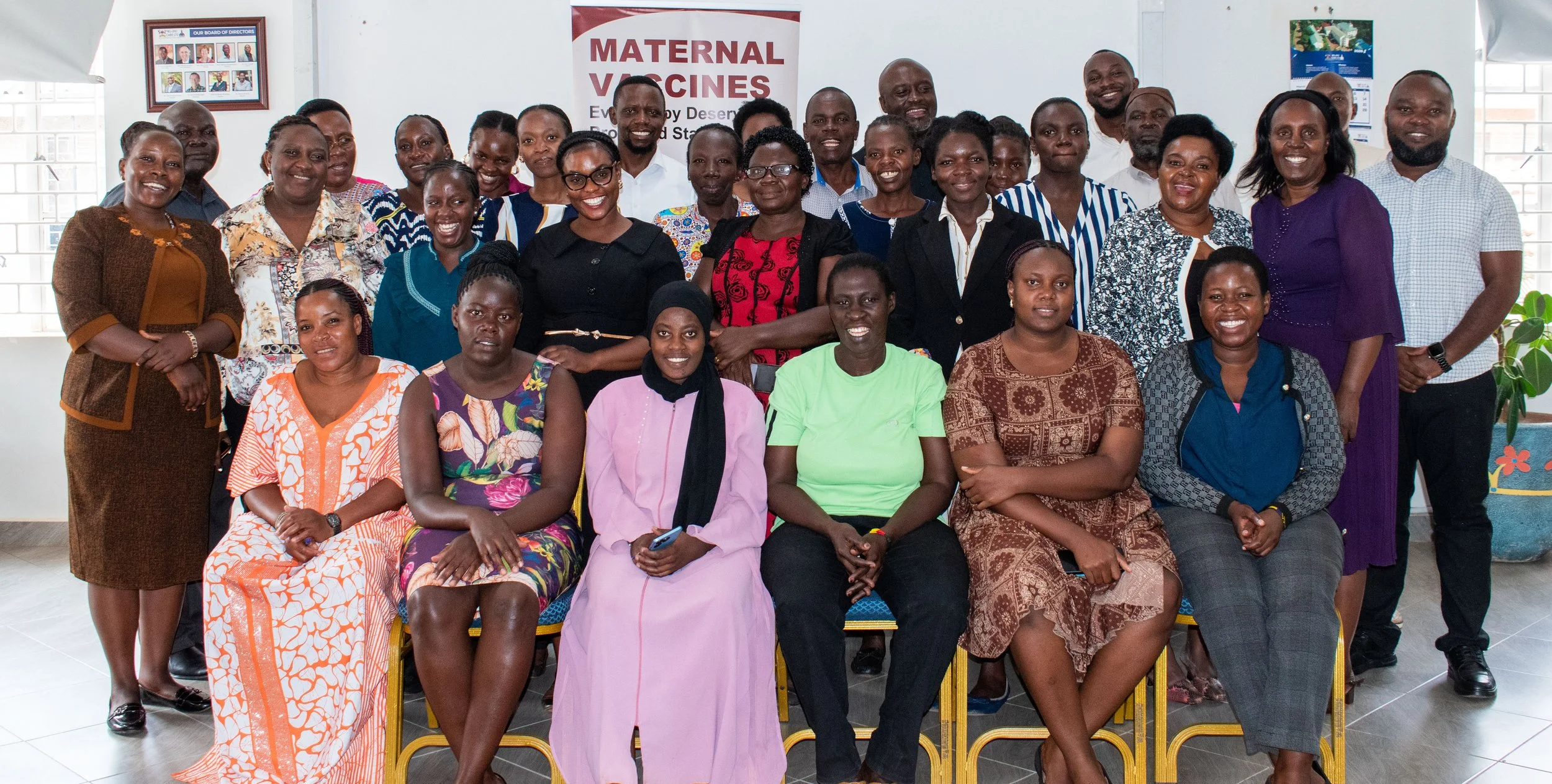
Group photo of workshop participants.
The two-day event was facilitated by Agnes Ssali, who leads vaccine confidence work for the PROTECT study in Uganda, and Vincent Serunjogi, the MU-JHU community advisory board (CAB) chairman and a member of PROTECT’s External Advisory Board.
To situate the event within the broader context, the PROTECT study was presented on the first day. Through PROTECT, researchers in Kenya, Malawi, Mozambique and Uganda collected data on pregnant women’s beliefs about maternal vaccines and vaccine trials using a range of methods, including in-depth and key-informant interviews, focus group discussions, surveys and observations. Because the study was coordinated by researchers in four African countries and over the same time frame, the findings shed light on maternal vaccine attitudes, behaviours and beliefs in individual countries as well as across the continent more broadly. After the general framework of the study was clarified, researchers zoomed in on the findings in Uganda, including the factors that make it more likely that a pregnant woman will get vaccinated: awareness of vaccine benefits, confidence in the general health system, positive spouse’s attitude towards a vaccine; and barriers to vaccination: transport fares to the health facility, fears regarding vaccine safety, negative spousal attitude towards maternal vaccines.
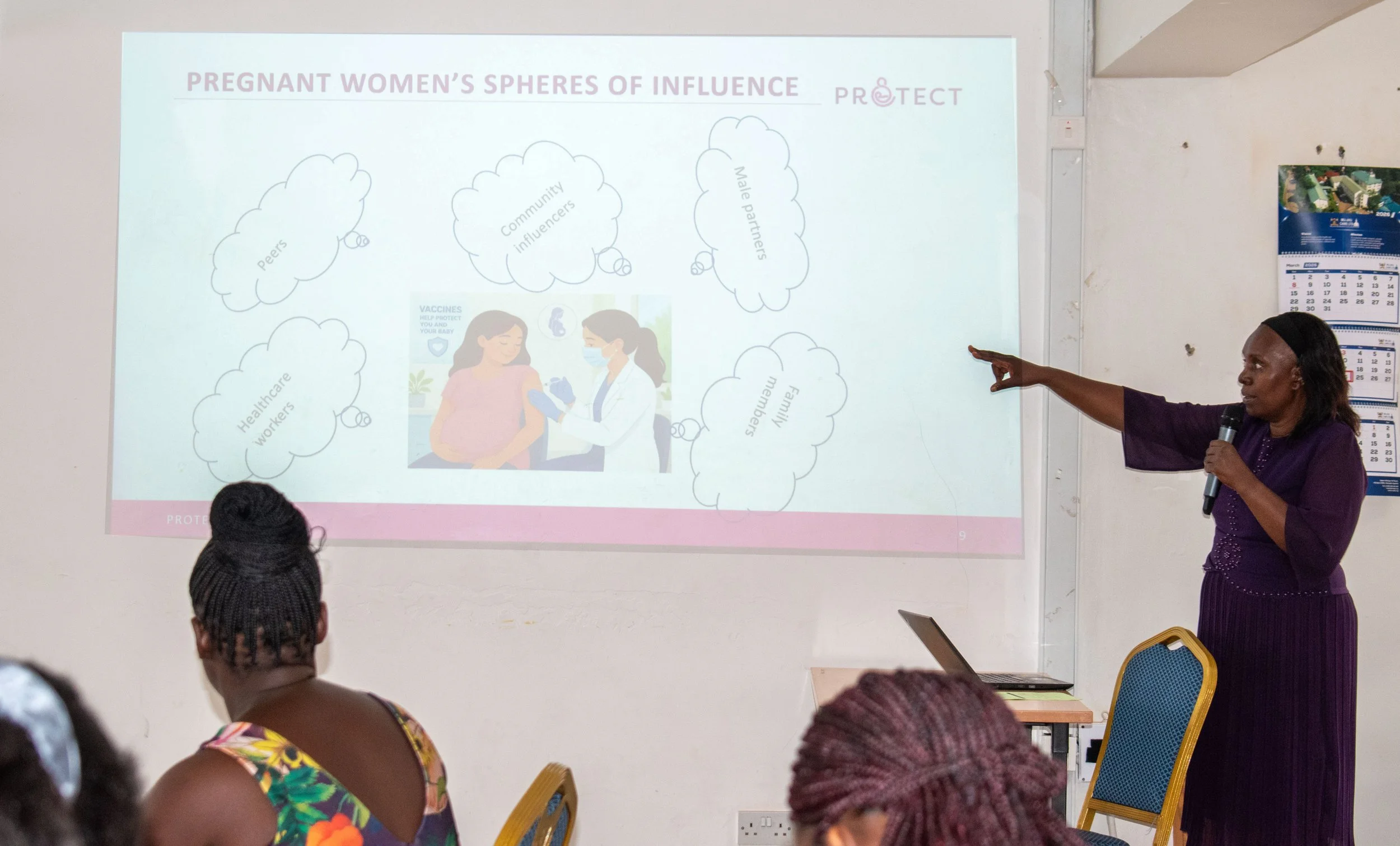
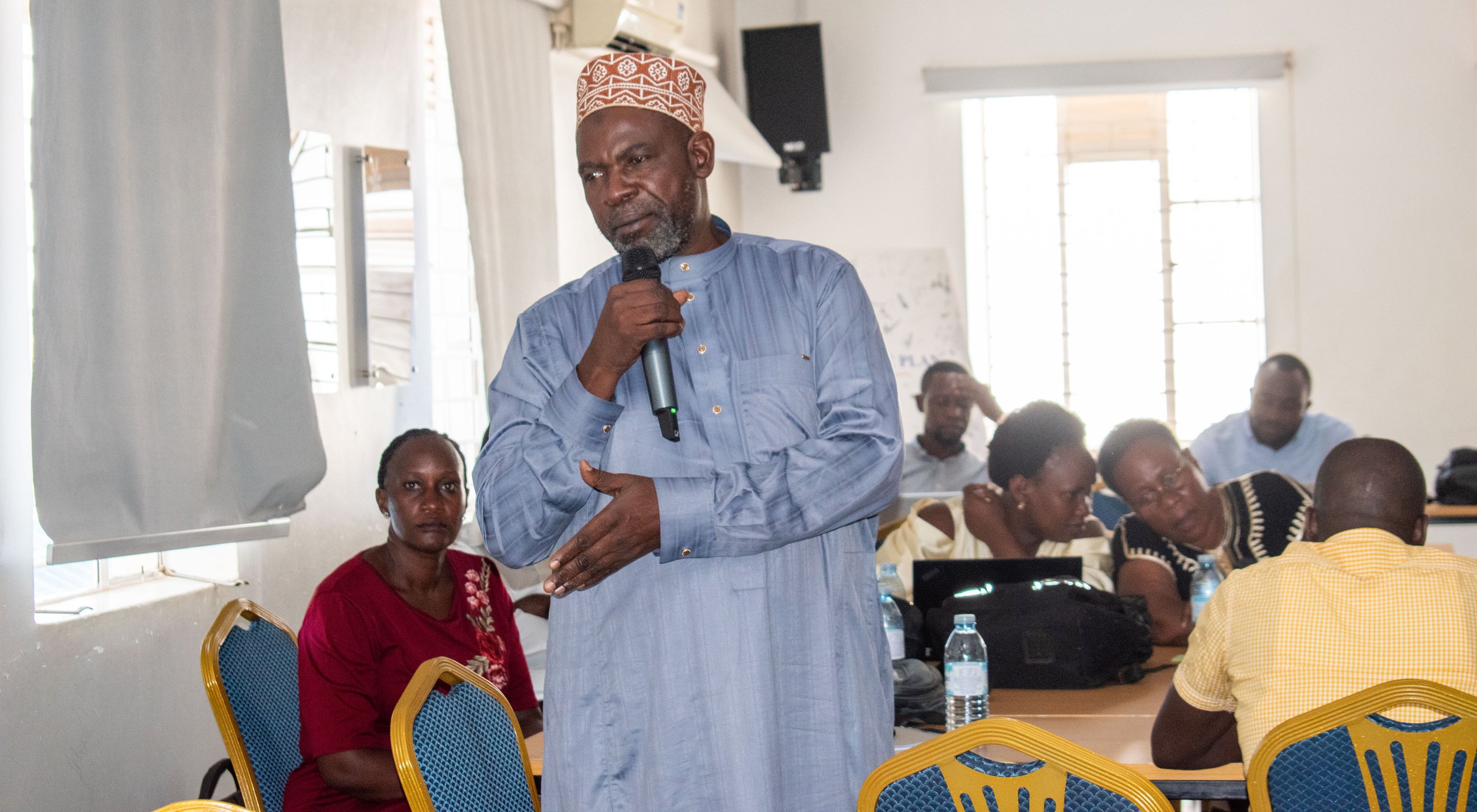
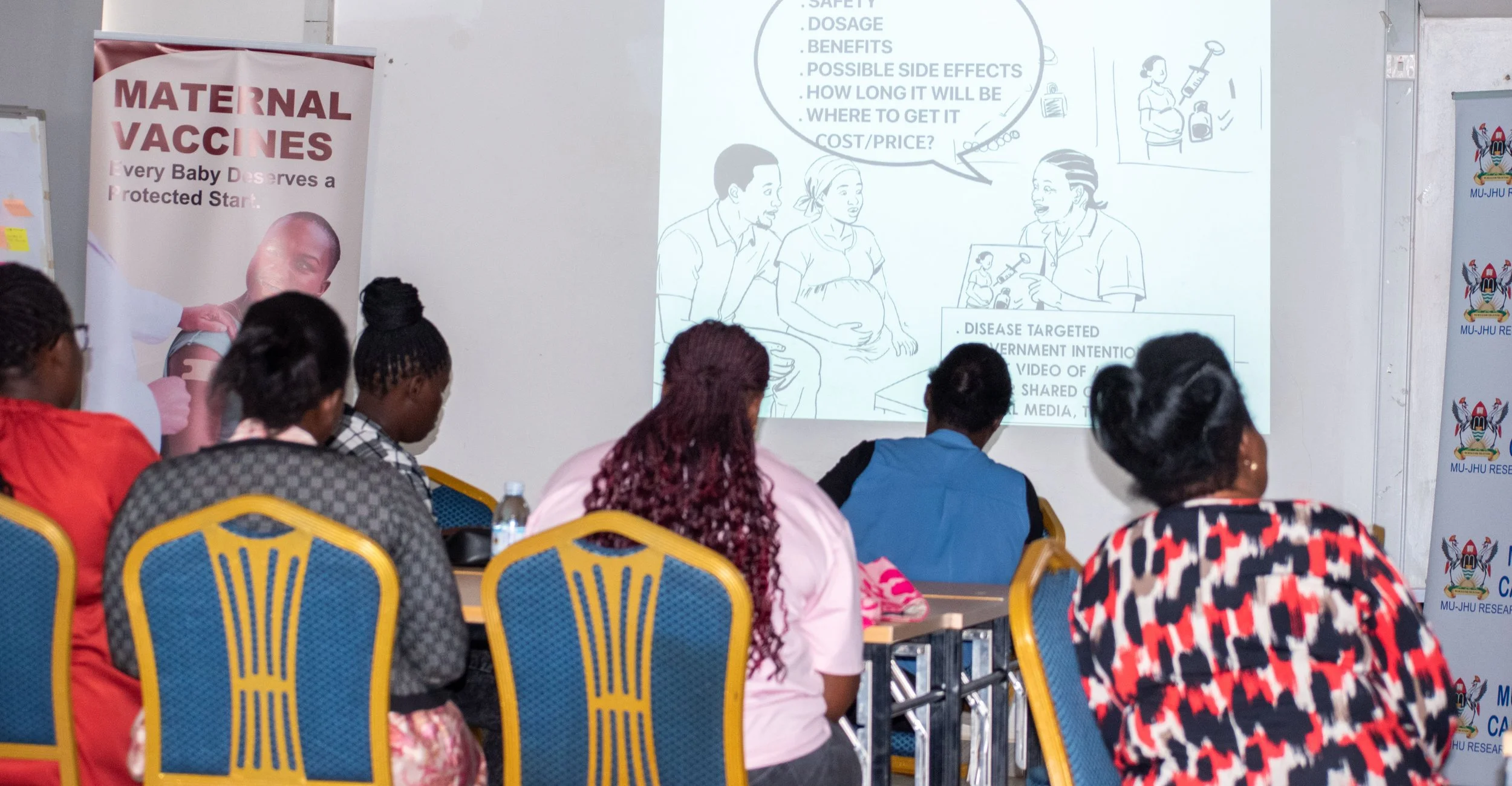
Agnes Ssali presenting the findings of the PROTECT study in Uganda.
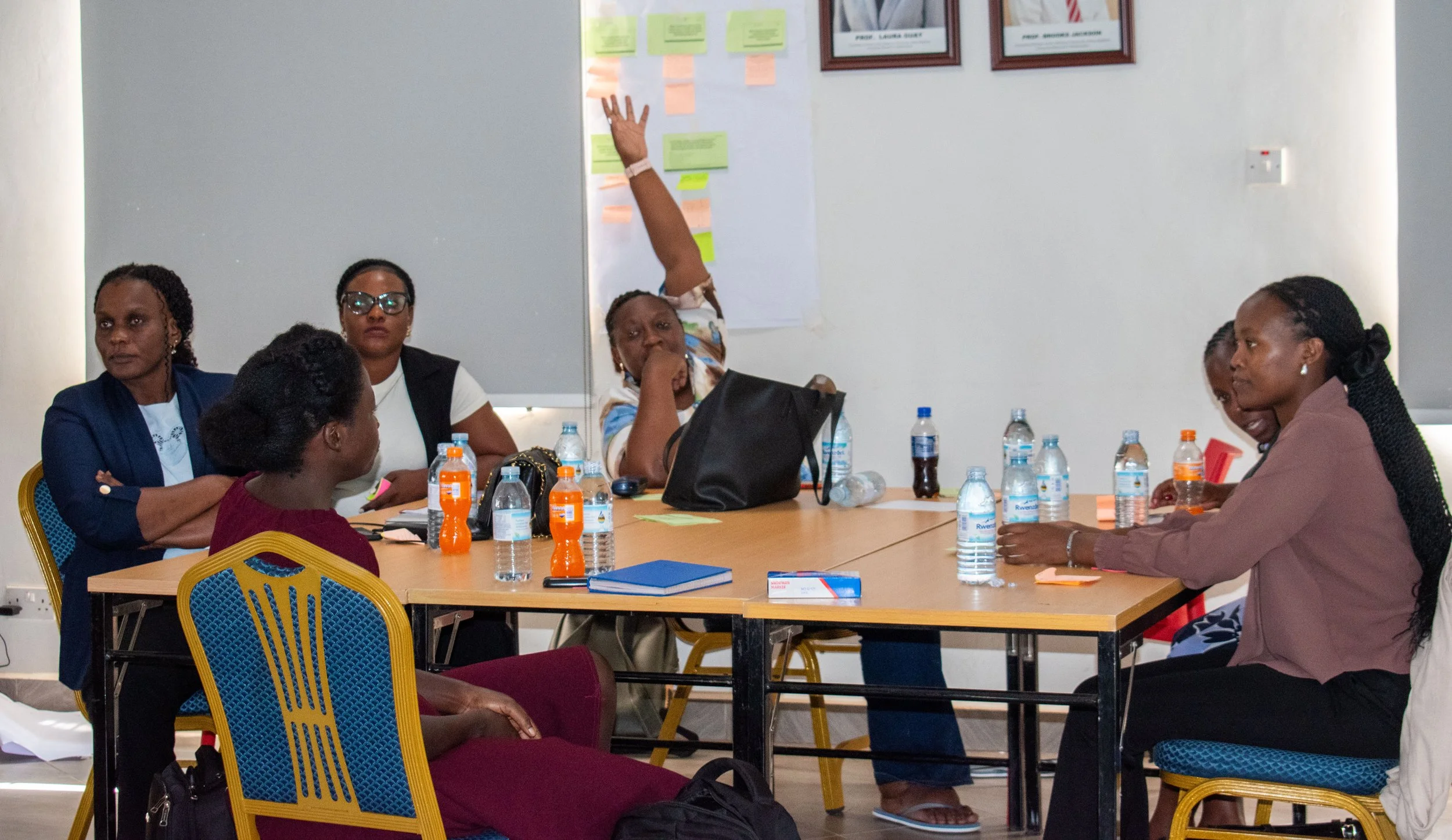
The second half of the first day was dedicated to participants reflecting on the study's findings – first individually, then in groups. They responded to a variety of questions exploring their beliefs and preferences regarding trusted people, channels, and communication approaches for maternal vaccines and vaccine trials.
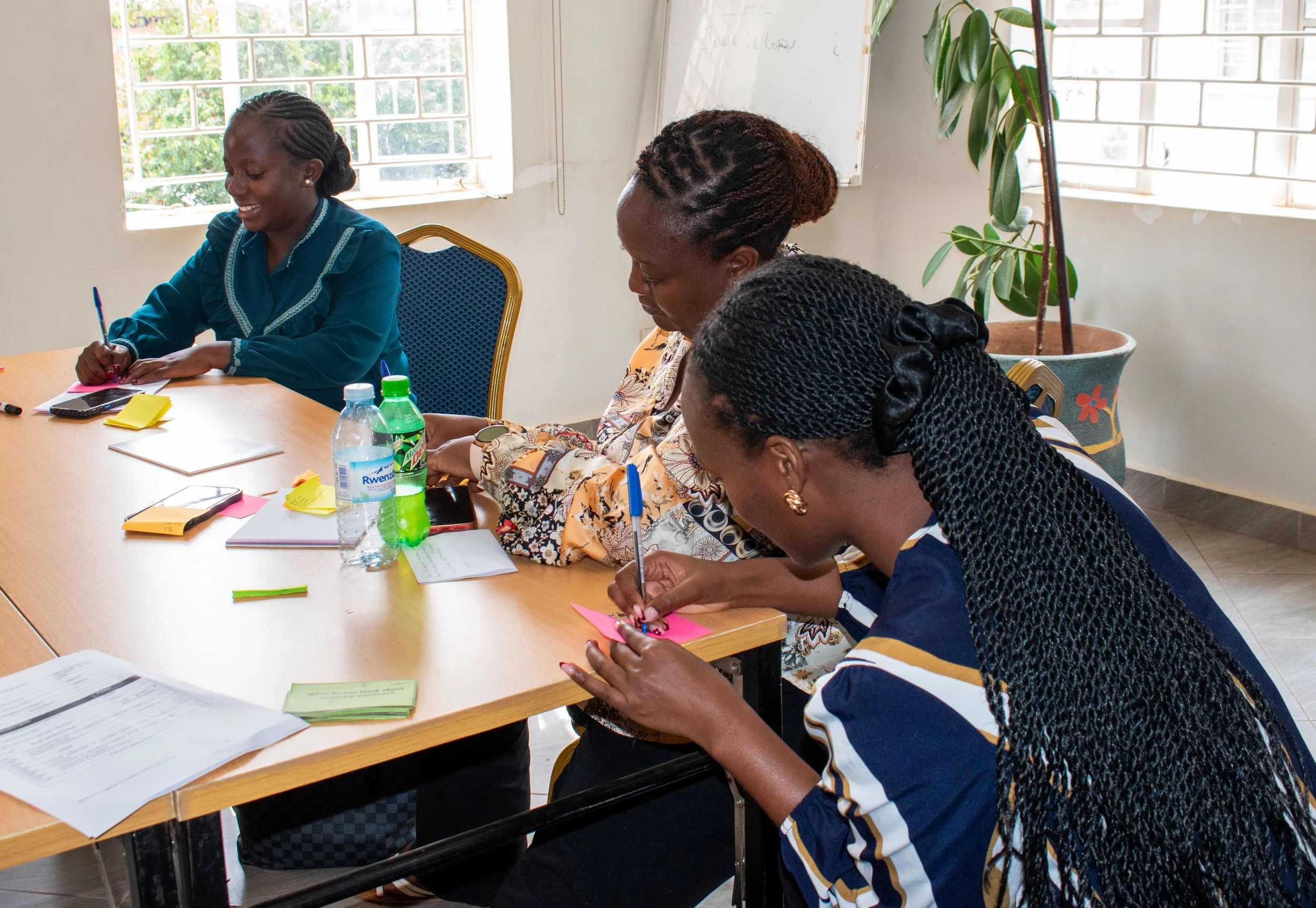
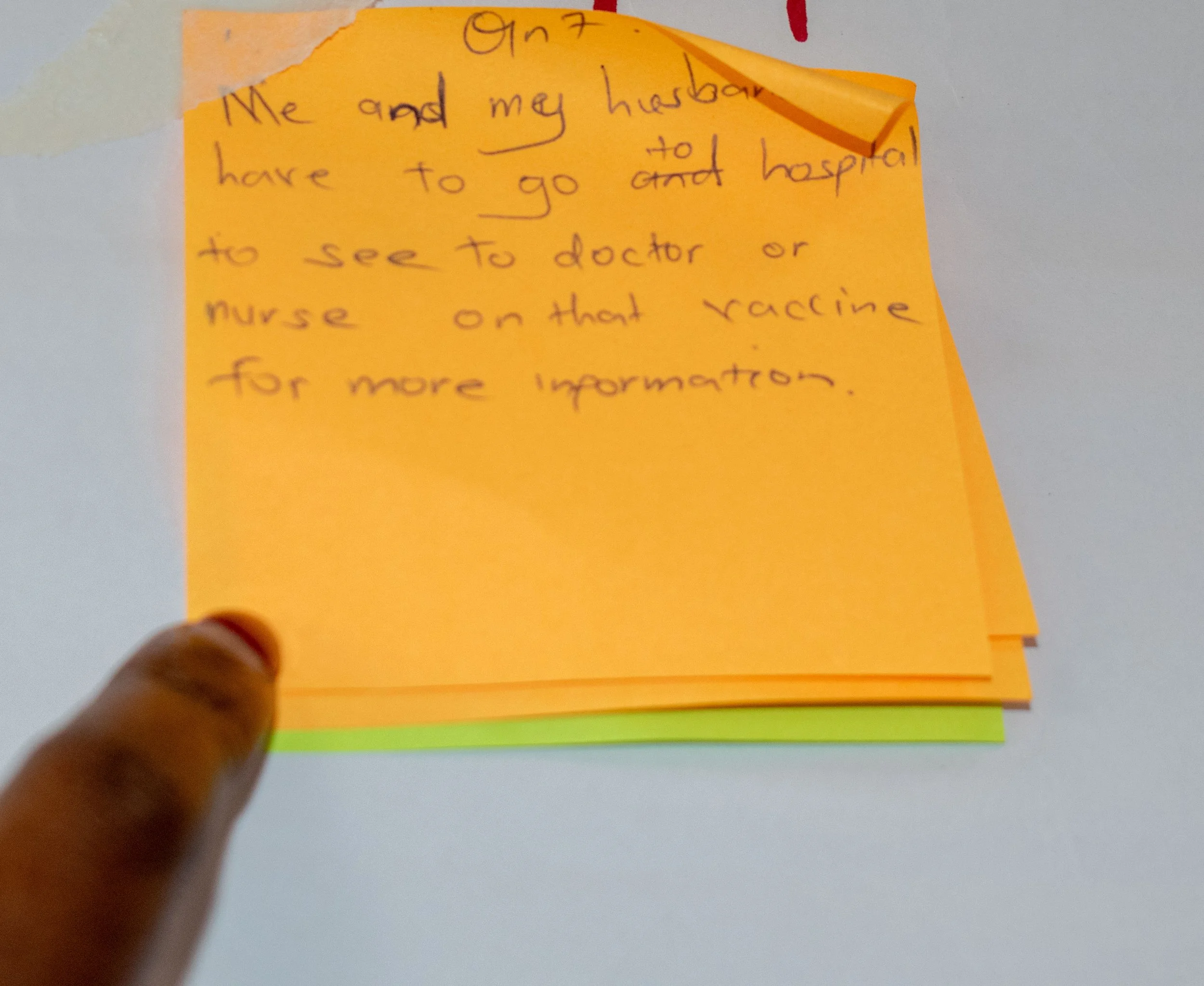
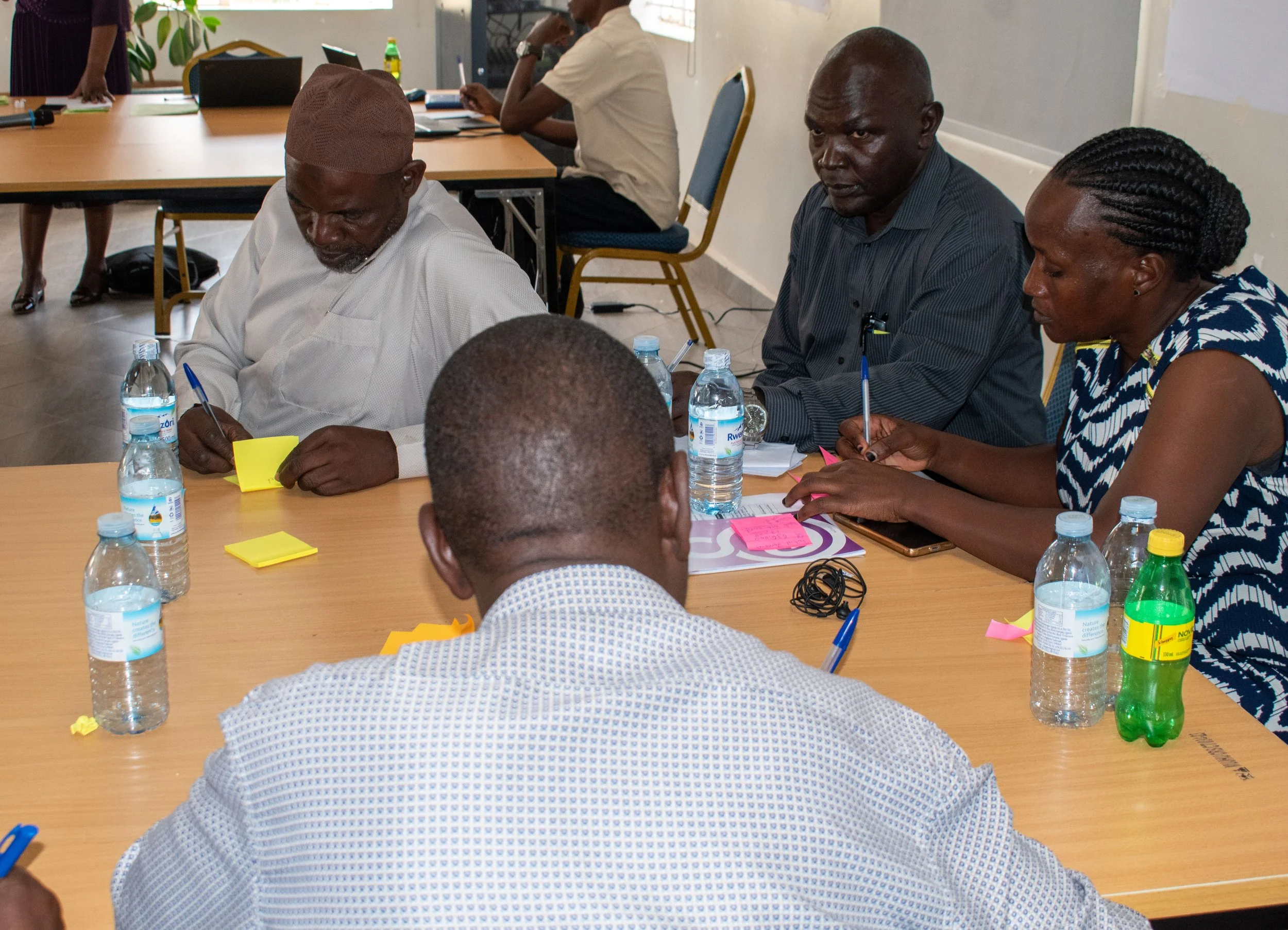
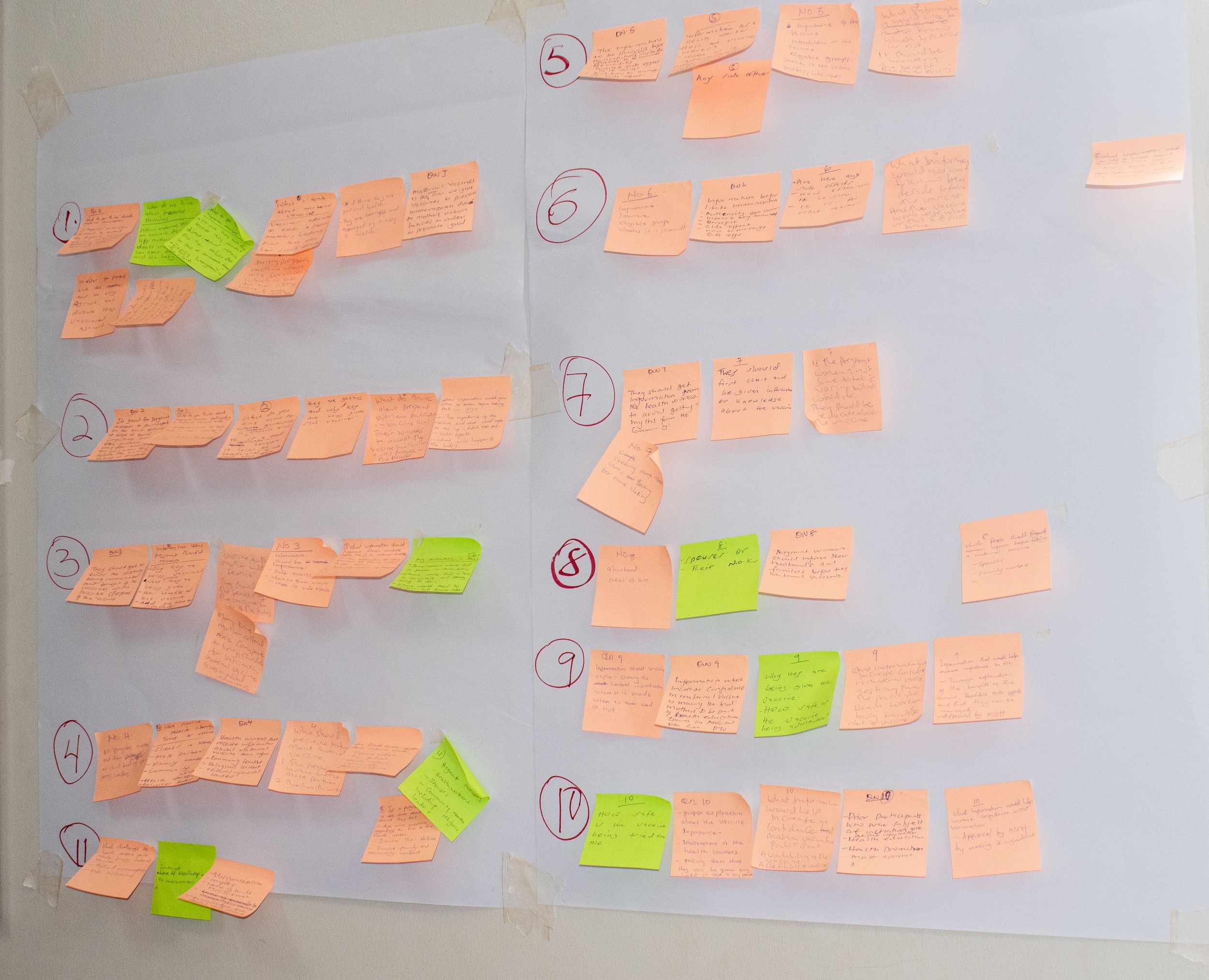
On the second day, the work shifted to preparing the educational toolkits that will, once finalised, be used to inform different audiences about maternal vaccines and vaccine trials. In groups, the participants discussed key messages, audiences and specific contexts in which these messages would be shared, as well as the format the toolkit would take. Participants agreed to develop three educational toolkits for three key audiences – healthcare workers, pregnant women and policymakers.
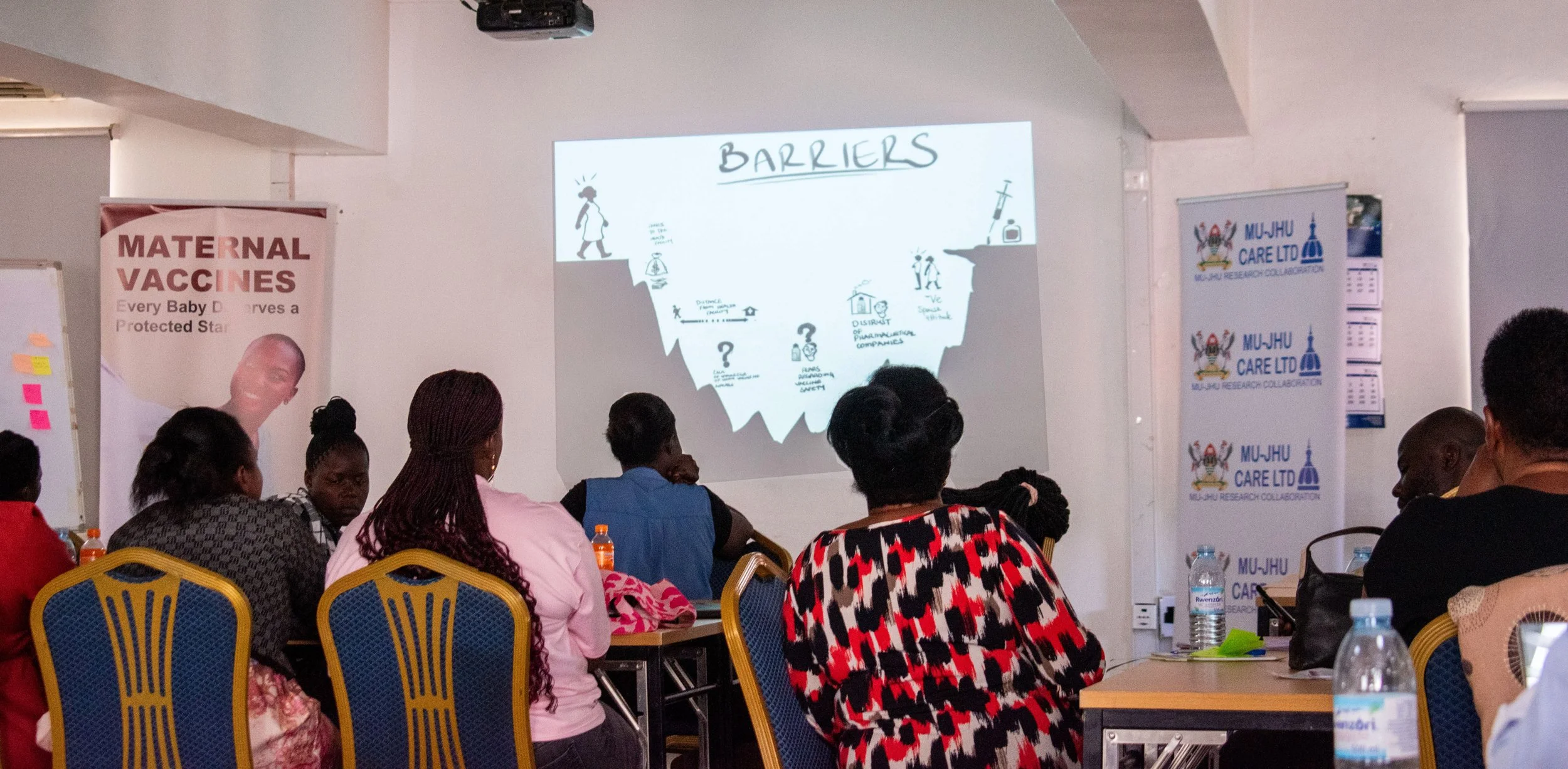
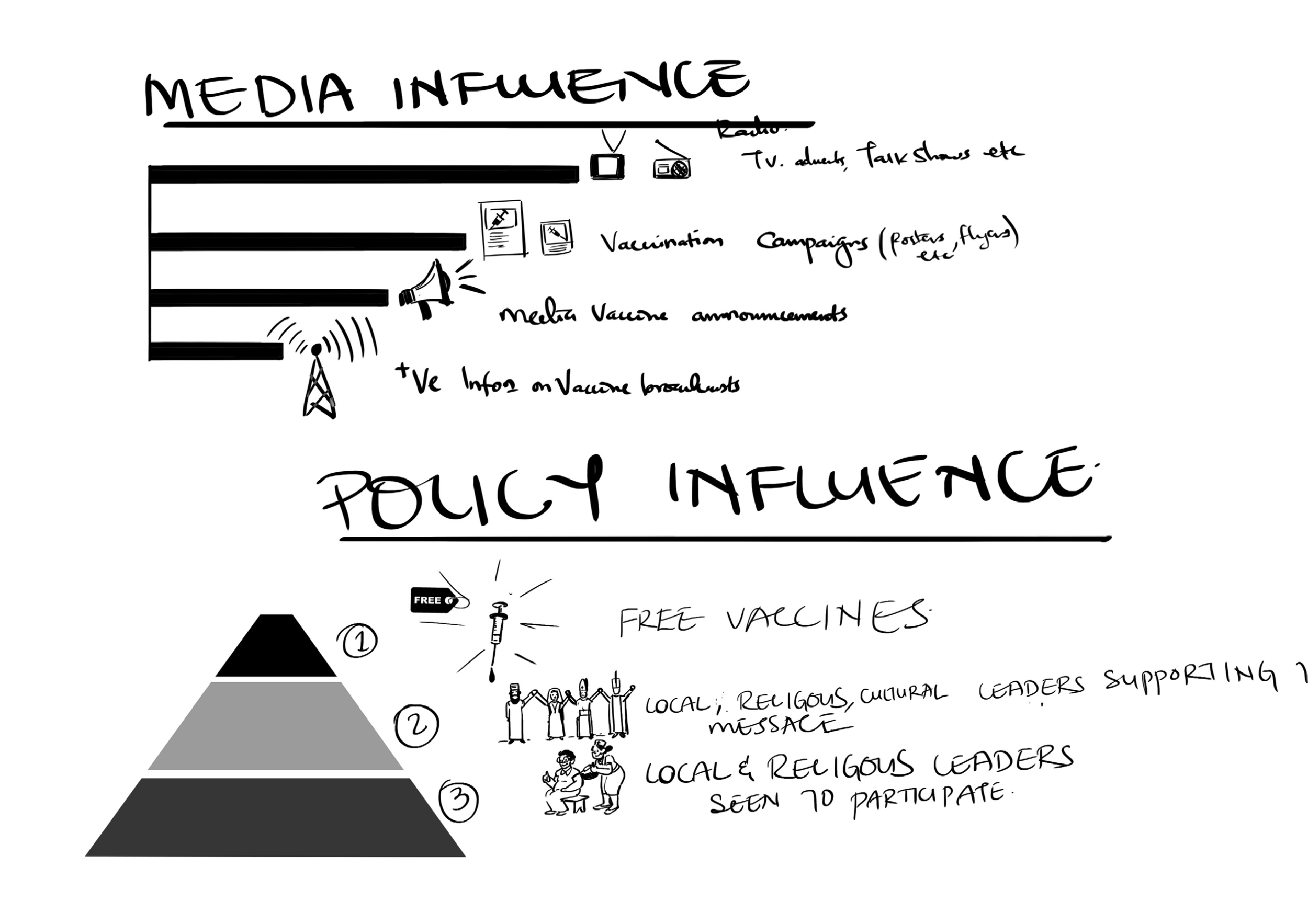
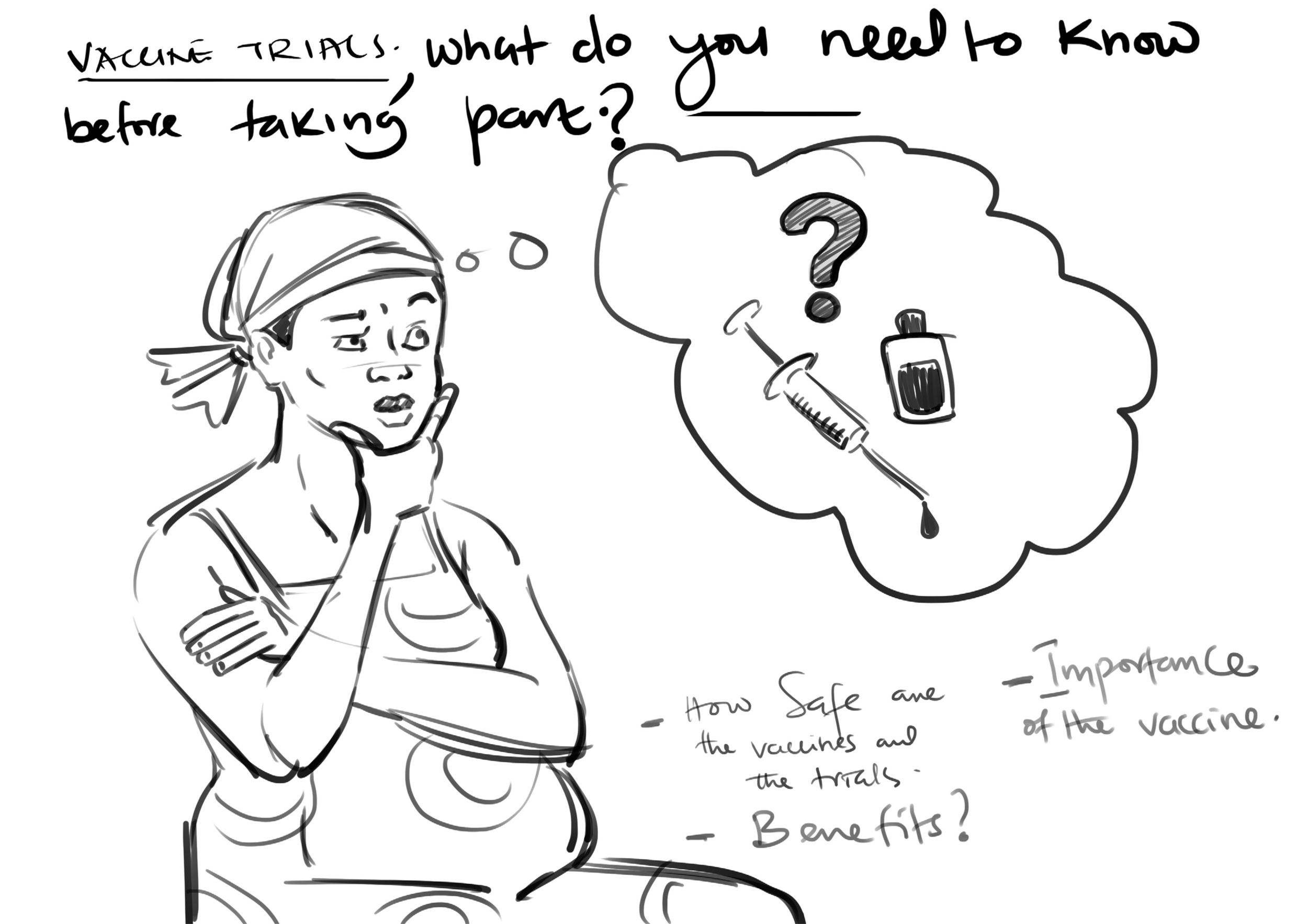
Designers were present throughout the group discussions, capturing the answers and findings in graphic form. These images helped facilitate the discussion on the second day – with their help, the participants were able to validate what they had discussed in the workshop until then. The images will also inform the final version of the educational toolkit.
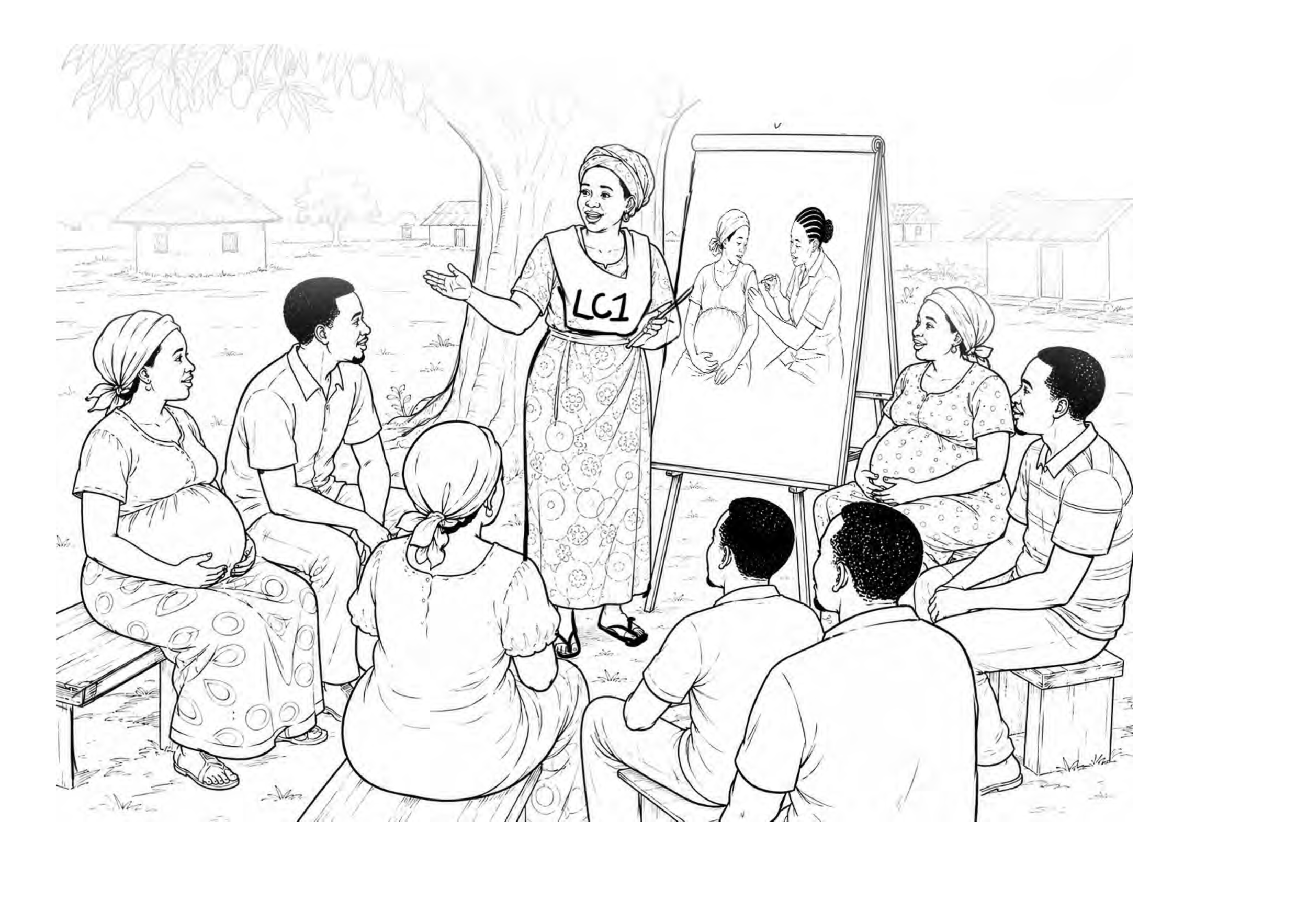
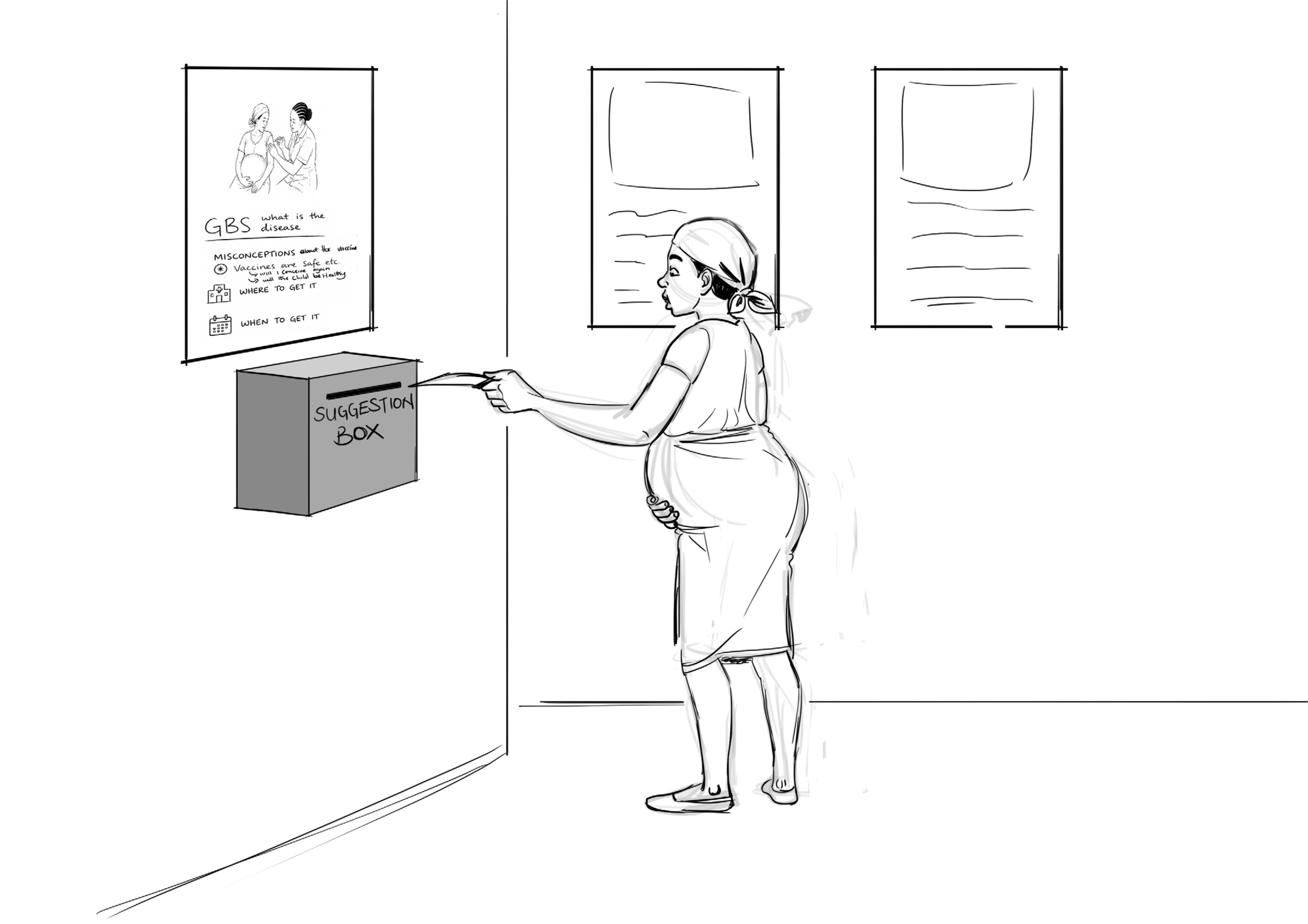
Following the insightful co-creation workshop, the PROTECT team in Uganda are now busy finalising the educational materials that will be used in hospitals and other health facilities and as part of community outreach to spread accurate information about maternal vaccines and vaccine trials, increase maternal vaccine uptake, address any hesitancy, and strengthen participation in clinical trials. MU-JHU researchers will create the educational toolkit and, in a couple of weeks, meet with workshop participants and other external stakeholders (including community influencers, health workers, and representatives from Uganda’s Ministry of Health) to present and validate it.
This was the first PROTECT co-creation workshop in a series of four. In the coming weeks, teams from Kenya, Malawi and Mozambique will conduct their own co-creation workshops, continuing to gather people’s insights about maternal vaccines and channelling the knowledge into the creation of context-specific and culturally appropriate educational materials.
Learn more about PROTECT’s work on improving vaccine confidence and maternal vaccine trial participation from Agnes Ssali and Violet Naanyu: